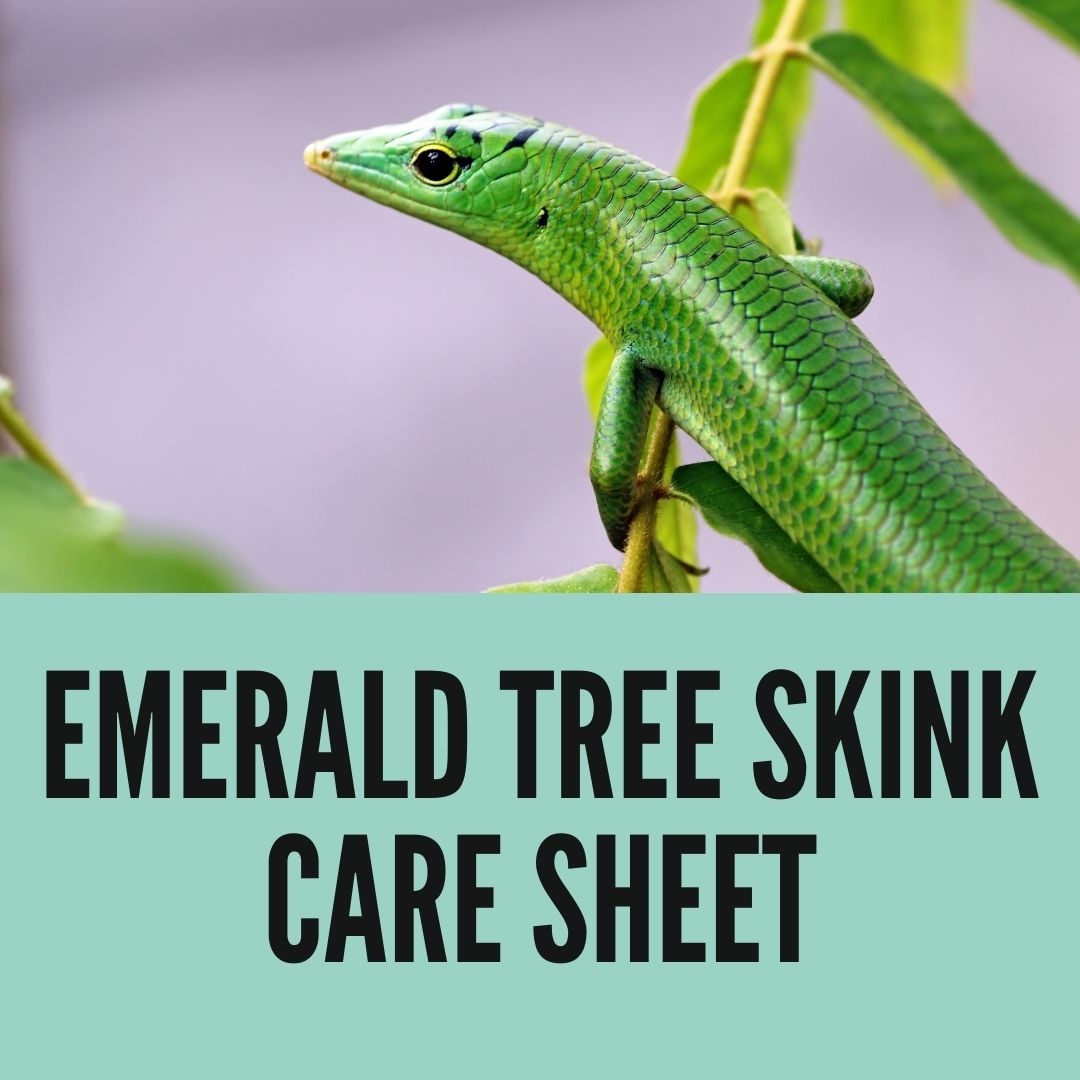
The Emerald Tree Skink (Lamprolepis smaragdina), also known as the Green Tree Skink, is a striking arboreal lizard found throughout Southeast Asia and many Pacific islands. Known for their bright green coloration, quick movements, and curious personalities, these skinks are becoming increasingly popular in the reptile hobby. They are hardy, intelligent, and highly active—perfect for keepers who enjoy observing natural behaviors and providing enriched enclosures.
However, Emerald Tree Skinks are not “beginner reptiles.” While they are relatively easy to maintain once their needs are understood, they require a vertically oriented enclosure, plenty of climbing surfaces, and a stable environment with proper humidity and temperature gradients. This care sheet covers everything you need to know to keep your Emerald Tree Skink healthy, thriving, and displaying its natural behaviors.
Natural History
Emerald Tree Skinks are native to:
- The Philippines
- Indonesia
- Papua New Guinea
- The Solomon Islands
- Micronesia
- Other western Pacific islands
Their natural habitat includes:
- Mangrove forests
- Coastal scrublands
- Tropical forests
- Forest edges and canopies
- Coconut plantations
- Rural villages with abundant vegetation
These skinks spend most of their lives high in trees, darting across branches with impressive speed. They rely on:
- Height
- Bright natural lighting
- Warm temperatures
- High humidity
Their arboreal lifestyle influences nearly every aspect of their captive care.
Appearance and Behavior
Emerald Tree Skinks are one of the most visually stunning skink species.
Physical Characteristics
- Length: 8–10 inches (20–25 cm)
- Tail length: Around 60% of total body length
- Color: Vibrant emerald green, sometimes with yellow tones
- Belly: Lighter green or pale
- Eyes: Large, alert, dark brown or black
- Head: Narrow and pointed
- Body: Smooth, sleek, and built for climbing
Some populations show slight variations in color, including bluish or golden hues.
Behavior
Emerald Tree Skinks are:
- Arboreal
- Curious
- Fast and agile
- Intelligent
- Social (in certain conditions)
They are known for their watchful personalities, often observing their keepers from perches high in the enclosure. While they are not typically aggressive, they may be skittish, especially with sudden movements.
Lifespan
With proper care, Emerald Tree Skinks can live:
- 7–10 years on average
- Some may reach 12+ years in exceptional conditions
Stress, improper humidity, and poor diet greatly reduce lifespan, so quality care is essential.
Temperament and Handling
Emerald Tree Skinks are not ideal for frequent handling.
Temperament Traits
- Fast and flighty when startled
- Prefer observation over touching
- Can become accustomed to human presence
- Rarely bite unless threatened
Handling Tips
If you choose to handle your skink:
- Allow the skink to come to you
- Avoid grabbing—support with open hands
- Handle low to the ground in case of jumping
- Keep sessions short
- Move slowly to avoid spooking
Most owners find enjoyment watching natural behaviors rather than handling.
Enclosure Requirements
Because Emerald Tree Skinks are highly arboreal, their enclosure must reflect a vertical woodland environment.
Minimum Enclosure Size
For one adult:
- Vertical enclosure: 18″ × 18″ × 24″ minimum
- Ideal:** 24″ × 24″ × 36″ or larger
- Bigger is always better
For pairs or groups:
- Length and height must be increased
- Provide multiple basking and hiding spots to prevent rivalry
Best Enclosure Types
- Glass terrariums
- PVC enclosures with front ventilation
- Screen-top hybrid enclosures
- Custom-built vivariums
Avoid fully screen enclosures unless humidity can be maintained.
Substrate Options
A substrate must retain humidity without molding excessively.
Recommended options:
- Coconut fiber
- Eco Earth
- Bioactive forest substrate mix
- Orchid bark
- Reptile-safe soil blends
- Leaf litter
Bioactive setups thrive with Emerald Tree Skinks due to their humidity needs and arboreal habits.
Furnishings and Decor
Emerald Tree Skinks need a complex, enriched environment to feel secure.
Must-Have Items
- Branches (thick, sturdy, various angles)
- Cork bark rounds and flats
- Vines (natural or artificial)
- Live or artificial plants
- Vertical hides (bark tubes, coconut huts)
- Multiple basking levels
Plants That Work Well
- Pothos
- Philodendron
- Snake plant
- Bromeliads
- Ficus
- Schefflera
Live plants improve humidity and provide visual cover.
Temperature Requirements
Proper temperature gradients are essential.
Basking Spot
- 90–95°F (32–35°C)
Bright, intense light is preferred.
Ambient Temperature
- 75–82°F (24–28°C) during the day
Night Temperature
- 70–75°F (21–24°C)
Emerald Tree Skinks should not experience temperatures below 68°F (20°C).
Heating Options
- Halogen basking bulbs
- Ceramic heat emitters
- Deep heat projectors (low visible light)
Avoid heat mats—they do not benefit this arboreal species.
Humidity Requirements
High humidity is crucial but must not remain stagnant.
Ideal Humidity Range:
- 60–80% depending on region and enclosure style
- Allow humidity cycles (higher at night, lower during day)
Tips for Maintaining Humidity
- Daily misting
- Automatic misting system or fogger
- Live plants
- Deep substrate
- Covered top or partial screen lid
- Large water dish
Proper ventilation is still essential to prevent mold.
Lighting Requirements
Emerald Tree Skinks benefit greatly from strong lighting.
UVB Lighting
Though some keepers previously thought UVB was optional, current research supports:
- 5–7% UVB for optimal health
Helps with calcium absorption and general vitality.
Visible Light
Provide bright, full-spectrum lighting to mimic daylight in the canopy.
The skinks often bask under intense light, absorbing warmth and UV.
Diet and Nutrition
Emerald Tree Skinks are insectivorous, though some individuals accept fruit or gecko diets.
Main Diet (Staple Insects)
- Crickets
- Dubia roaches
- Black soldier fly larvae
- Silkworms
- Hornworms
- Small grasshoppers
Occasional Treats
- Waxworms (high fat)
- Mealworms (in moderation)
- Small snails
- Pinky mice (rarely, for breeding females only)
Feeding Frequency
- Adults: 4–5 times per week
- Juveniles: Daily or near-daily
- Offer a variety to ensure balanced nutrition
Gut Loading & Supplements
Gut-load all feeders with:
- Dark leafy greens
- Commercial insect diets
- Vegetables (sweet potato, carrot)
Use supplements:
- Calcium without D3: 3–4x per week
- Calcium with D3: 1x per week
- Multivitamin: 1x per week
Variety is critical—Emerald Tree Skinks burn high energy.
Hydration
Skinks drink from water droplets on leaves, branches, and glass.
Hydration Methods
- Misting once or twice a day
- Dripper system
- Fogging at night
- Large water bowl for ambient humidity
Skinks may occasionally drink from bowls, but foliage drinking is their natural behavior.
Social Behavior and Cohabitation
Emerald Tree Skinks can be kept:
- Solo
- In pairs
- In small groups
Keep in Mind:
- Males may fight
- Females may show mild dominance
- Multiple basking spots reduce conflict
- Group housing requires bigger enclosures and more visual cover
Always monitor new pairings carefully.
Health Concerns
Common health problems:
1. Metabolic Bone Disease (MBD)
Caused by lack of UVB or calcium. Symptoms include:
- Weak limbs
- Tremors
- Deformed bones
- Lethargy
2. Respiratory Infections
Often caused by low temperatures or poor ventilation.
Symptoms:
- Wheezing
- Open-mouth breathing
- Bubbles or mucus around nostrils
- Lethargy
3. Shedding Problems
Improper humidity causes stuck shed around:
- Toes
- Tail tip
- Eyes
4. Parasites
Wild-caught individuals often carry internal or external parasites.
5. Dehydration
Often mistaken for poor appetite.
Cleaning and Maintenance
Daily
- Check water levels
- Mist enclosure
- Remove uneaten insects
- Spot clean waste
Weekly
- Wipe down glass
- Rinse water bowl
- Prune plants
- Inspect decor
Monthly or Bi-Monthly
- Deep clean non-bioactive setups
- Replace substrate as needed
- Check lights and fixtures
Bioactive setups need less routine cleaning.
Breeding Emerald Tree Skinks
Breeding is possible but requires experience.
Breeding Conditions
- Higher humidity
- Extra UVB
- Increased feeding
- Multiple egg-laying sites
Courtship
Males may display:
- Head bobbing
- Chasing
- Nudging
Egg Laying
Females lay 2–6 eggs in:
- Moist substrate
- Coconut hides
- Buried areas among roots
Incubation
- Temperature: 84–88°F (29–31°C)
- Humidity: 80%
- Duration: 50–70 days
Hatchlings are delicate, tiny, and should be started in smaller enclosures.
Tips for a Thriving Emerald Tree Skink
- Offer vertical space + many branches
- Keep lighting bright
- Provide daily humidity cycles
- Maintain warm basking sites
- Use UVB
- Offer varied insect diet
- Avoid excessive handling
- Add enrichment (branches, vines, leaf litter)
- Observe behavior—skinks show subtle stress signals
Conclusion
The Emerald Tree Skink is a stunning and rewarding reptile species for keepers who enjoy active, arboreal animals with naturalistic enclosures. While they may not enjoy frequent handling, they thrive when given space to climb, bright lighting, high humidity, and a varied diet. With proper care, they can live many years and display a fascinating range of behaviors rarely seen in terrestrial reptiles.
Whether you are a dedicated hobbyist or someone exploring exotic reptiles, the Emerald Tree Skink offers the perfect balance of beauty, intelligence, and manageable care requirements—so long as you provide the environmental features they rely on in the wild.