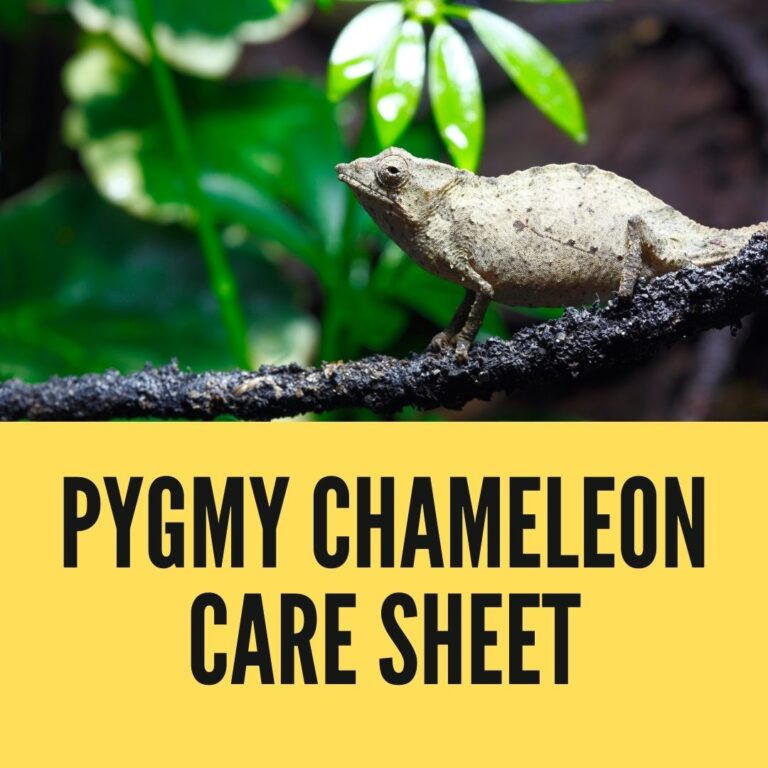
Yemen chameleons (also known as veiled chameleons, Chamaeleo calyptratus) are hardy, striking, and rewarding reptiles when their environmental needs are met with precision. This comprehensive care sheet provides a detailed, article-style guide you can use directly or adapt for your own reptile husbandry content, while avoiding in-text source links as requested.
Natural History and Basic Profile
Yemen chameleons originate from Yemen and southwestern Saudi Arabia, where they inhabit mountainous regions featuring seasonal rainfall, strong sunlight, and marked day–night temperature and humidity swings. They are arboreal, spending their lives climbing shrubs and trees, and are diurnal, meaning they are active during the day and sleep at night.
This species is sexually dimorphic: males grow larger, develop prominent casque “helmets” on their heads, and display brighter banding and spotting than females. Adult males can reach 18–24 inches in total length, while females typically reach 10–14 inches and have shorter lifespans due to reproductive stress.
Temperament and Handling
Yemen chameleons are solitary and can be defensive, preferring to be observed rather than handled. While some individuals tolerate brief handling, frequent or forced interaction elevates stress, suppresses appetite, and increases disease susceptibility.
Approach slowly from below eye level, allow the chameleon to walk onto a hand or branch rather than being grabbed, and limit sessions to essential health checks and enclosure maintenance. Children should be taught to respect the animal’s boundaries, and handling should always be supervised to prevent falls or accidental squeezing.
Enclosure Size and Design
For juveniles up to about eight months, a minimum enclosure of roughly 24 x 24 x 24 inches provides adequate space while still allowing the animal to find food easily. Adult Yemen chameleons require a tall, well-ventilated habitat—commonly at least 24 x 24 x 48 inches, with larger always being better, especially for males.
Vertical space is critical because this species is highly arboreal and uses height to feel secure, thermoregulate, and display. Screen or hybrid enclosures with abundant ventilation are preferred over fully sealed glass tanks, which can trap stagnant air and promote respiratory infections if not managed carefully.
Interior Layout and Climbing Structure
The enclosure should resemble a vertical thicket rather than an open box. Use a mix of sturdy branches, natural vines, and perches at varying heights and thicknesses so the chameleon can move comfortably and choose different microclimates throughout the day.
Live plants such as pothos, schefflera, and ficus are commonly used because they provide cover, help maintain humidity, and offer natural drinking surfaces while also creating visual barriers that reduce stress. Arrange dense foliage in the middle and upper sections with some open basking areas near the top, ensuring the chameleon can always retreat into shade if it feels overexposed.
Substrate and Flooring
On the enclosure floor, many keepers prefer simple, easy-to-clean options rather than loose substrates that can hold excessive moisture or be ingested. Paper towels, reptile carpet, or bare-bottom setups are common in minimalistic enclosures, particularly for juveniles or new animals in quarantine.
For more advanced, naturalistic or bioactive setups, substrates such as soil-based mixes and leaf litter can be used, provided they are well-drained and not dusty, and that drainage and ventilation prevent standing water or constantly saturated surfaces that may cause skin or foot problems. In any case, avoid fine particulate substrates that can be easily consumed along with prey, as impaction risks increase in these conditions.
Lighting: UVB and Daylight
Yemen chameleons are sun-loving reptiles and require strong, correct-spectrum lighting. Provide a high-quality linear UVB tube (often 10.0 strength in larger, taller enclosures) that spans a substantial portion of the cage, allowing the animal to access a gradient from high to low UV exposure by moving vertically and horizontally.
In addition to UVB, a bright daylight bulb (around 6500K) helps mimic natural sunlight and supports plant growth in planted enclosures. Turn all lights on for 10–12 hours per day and off completely at night to simulate a natural day–night cycle, avoiding the use of bright lights after dark which can disrupt normal behavior and rest.
Heating and Temperature Gradients
A temperature gradient is critical, allowing the chameleon to warm up in a basking zone and cool down elsewhere. For adults, aim for a basking spot temperature around 88–95°F (31–35°C) near the top of the enclosure, with ambient daytime temperatures in the mid-70s to low-80s°F (24–27°C).
Nighttime temperatures should drop, ideally into the high 60s to low 70s°F (18–22°C), as this species is adapted to cooler nights and benefits from the physiological reset this provides. Use thermostats and digital thermometers to monitor temperatures precisely, and avoid placing basking bulbs inside the enclosure where they can be touched or directly clung to by the chameleon.
Humidity and Hydration
Yemen chameleons experience relatively dry days with more humid nights in their natural habitat, and captive conditions should replicate this pattern as closely as possible. Daytime humidity typically ranges around 40–60%, with short spikes higher during misting, while nighttime humidity can rise to 80–100% when temperatures drop.
These chameleons rarely drink from standing water and instead lap droplets from leaves and surfaces. Provide hydration using a combination of misting (manual or automated) and, if desired, a dripper that releases water slowly onto foliage, always ensuring surfaces have time to dry between cycles and that there is adequate drainage.
Water Quality and Mist Management
Using dechlorinated or conditioned tap water is usually sufficient, but in areas with very hard or treated water, filtration or bottled spring water may be preferred. Mist at least once or twice daily, more often in drier climates, concentrating sessions in the morning and early evening so the chameleon can drink and the enclosure can dry out before lights off.
Avoid directly blasting the chameleon with a strong spray; instead, mist plants and enclosure surfaces and allow the animal to move into the water droplets as it chooses. Regularly clean and disinfect misting equipment and drippers to prevent bacterial buildup that could lead to mouth, eye, or skin infections.
Diet: Insects and Greens
Yemen chameleons are primarily insectivorous, but many will also nibble on plant matter, particularly males. Offer a variety of appropriately sized live insects such as crickets, dubia roaches, locusts, black soldier fly larvae, silkworms, and occasional treats like waxworms or hornworms, focusing on nutritional diversity and gut-loading quality.
Dark leafy greens and small pieces of safe vegetables or fruit can be provided occasionally; common options include collards, dandelion greens, and bits of carrot or fruit like mango, though individual interest varies and some chameleons largely ignore plant material. Avoid feeding wild-caught insects from pesticide-treated areas and never leave large numbers of uneaten crickets in the enclosure overnight, as they may bite the chameleon.
Feeding Frequency and Gut-loading
Young Yemen chameleons grow rapidly and require frequent feeding, often daily with as many small prey items as they can consume in a short feeding window. Juveniles typically transition to slightly less frequent feedings as they approach adult size, while adults do well on meals offered every other day, with attention to body condition to avoid obesity.
All feeder insects should be gut-loaded for at least 24 hours prior to feeding with nutritious vegetables, leafy greens, and commercial insect diets rich in calcium and vitamins. Proper gut-loading significantly improves the nutritional value of feeders, supporting strong bones, vibrant coloration, and a robust immune system.
Supplementation: Calcium and Vitamins
Calcium and vitamin supplementation must be balanced carefully to prevent both deficiency and toxicity. Many husbandry guides recommend dusting feeders with plain calcium (without vitamin D3) at most feedings, with a separate calcium plus D3 supplement and a multivitamin used less often, such as weekly or several times per month depending on UVB strength.
Because needs vary with age, sex, and the intensity of UVB lighting, keepers should review current husbandry recommendations and consult a reptile veterinarian for species-specific dosing schedules and brand suggestions. Signs of improper supplementation include soft jawbones, limb deformities, lethargy, and tremors, which require immediate veterinary assessment.
Behavior, Coloration, and Communication
Yemen chameleons use color changes to regulate temperature and communicate mood and health status. Brighter greens and pattern contrasts often indicate alertness and comfort, while very dark or dull colors may reflect stress, illness, or attempts to absorb heat quickly.
They also display using body posture, gaping, hissing, and lateral flattening to appear larger when threatened, particularly males defending perceived territory. Respect these signals by backing off, adjusting environmental factors if necessary, and avoiding unnecessary visual contact between cohabited or neighboring chameleons.
Social Structure and Cohabitation
Yemen chameleons are not social and should be housed individually. Keeping two adults in a single enclosure, especially males or a male–female pair, typically results in chronic stress, competition for resources, and potentially severe injuries.
Visual separation between enclosures is also helpful, as constant exposure to another chameleon can trigger persistent territorial or defensive behavior even if the animals cannot physically interact. Temporary pairings for breeding should be done only by experienced keepers with the ability to monitor interactions closely and separate animals immediately if aggression occurs.
Routine Health Care and Hygiene
Cleanliness is an important part of chameleon husbandry. Perform daily spot cleaning by removing feces, shed skin, and uneaten prey, and empty any standing water from collection trays or catch basins used in misting systems.
Conduct more thorough cleaning regularly, including wiping down surfaces, disinfecting branches and décor when practical, and periodically replacing or refreshing substrate, especially in simpler setups. Always use reptile-safe disinfectants, rinse thoroughly, and allow items to dry before returning the animal to the enclosure.
Common Health Issues
Respiratory infections, metabolic bone disease, dehydration, and mouth infections are among the most common health problems seen in Yemen chameleons. These often stem from incorrect temperatures, humidity, poor ventilation, inadequate UVB lighting, or imbalanced diet and supplementation.
Early signs of trouble include wheezing or open-mouth breathing, nasal discharge, swollen limbs, poor grip strength, sunken eyes, persistent dull coloration, or refusal to eat. Any of these symptoms warrant prompt evaluation by a veterinarian experienced with reptiles, as early intervention significantly improves outcomes.
Lifespan and Long-Term Commitment
With appropriate care, male Yemen chameleons may live around six to eight years in captivity, while females often have shorter lifespans—commonly four to six years—due in part to the stress of frequent egg production. Lifespan is strongly influenced by husbandry quality, genetics, and veterinary care, making thorough preparation essential before acquiring this species.
Prospective keepers should consider the ongoing costs of feeders, lighting replacements, veterinary visits, and enclosure upgrades as the animal grows. Because this species is sensitive to husbandry errors, it is best suited to keepers willing to maintain consistent daily routines and environmental monitoring.
Ethical Sourcing and Legal Considerations
Most Yemen chameleons in the reptile trade today are captive-bred, which reduces pressure on wild populations and typically yields healthier, more adaptable pets. Whenever possible, purchase from reputable breeders or specialist retailers who can provide detailed husbandry information and demonstrate proper care practices.
Some regions have regulations regarding the keeping or sale of exotic reptiles, enclosure standards, or animal welfare requirements, so researching local laws before purchase is prudent. Responsible keepers should also have a plan for long-term placement and care in case circumstances change, ensuring that the chameleon does not end up neglected or abandoned.
Final Husbandry Checklist
Key provisions for successful Yemen chameleon care include:
- A tall, well-ventilated enclosure with abundant climbing branches and live or artificial foliage.
- Strong, correctly positioned UVB and basking lights controlled on a regular day–night cycle.
- A stable temperature gradient with warm basking areas, cooler zones, and night-time drops.
- Humidity that is moderate during the day and higher at night, supported by scheduled misting and good drainage.
- A varied, gut-loaded insect diet, appropriate supplementation, and monitored body condition throughout life.
- Minimal handling, careful observation of behavior and coloration, and regular veterinary oversight for early detection of health issues.
By meeting these requirements consistently, keepers can provide Yemen chameleons with a secure, enriched environment that allows their natural behaviors, vivid colors, and unique personalities to flourish over many years.
Sources
- https://www.thebiodude.com/blogs/chameleon-caresheets/veiled-chameleon-caresheet
- https://reptifiles.com/veiled-chameleon-care-sheet/
- https://reptilesmagazine.com/veiled-chameleon-care-sheet/
- https://www.thepetexpress.co.uk/blog/care-guides/caring-for-your-yemen-chameleon/
- https://www.reptco.co.uk/images/files/Yemen%20Chameleon%20Care%20Sheet.pdf
- https://canobievet.com/wp-content/uploads/2025/01/Chameleon-Care-Sheet-1.pdf
- https://www.reptilecymru.co.uk/yemen-veiled-chameleon-care-guide/
- https://www.bluelizardreptiles.com/yemen-care-sheet
- https://www.reptiles.swelluk.com/help-guides/how-to-look-after-a-yemen-chameleon/
- https://www.reptilecentre.com/pages/info-yemen-chameleon-care-sheet