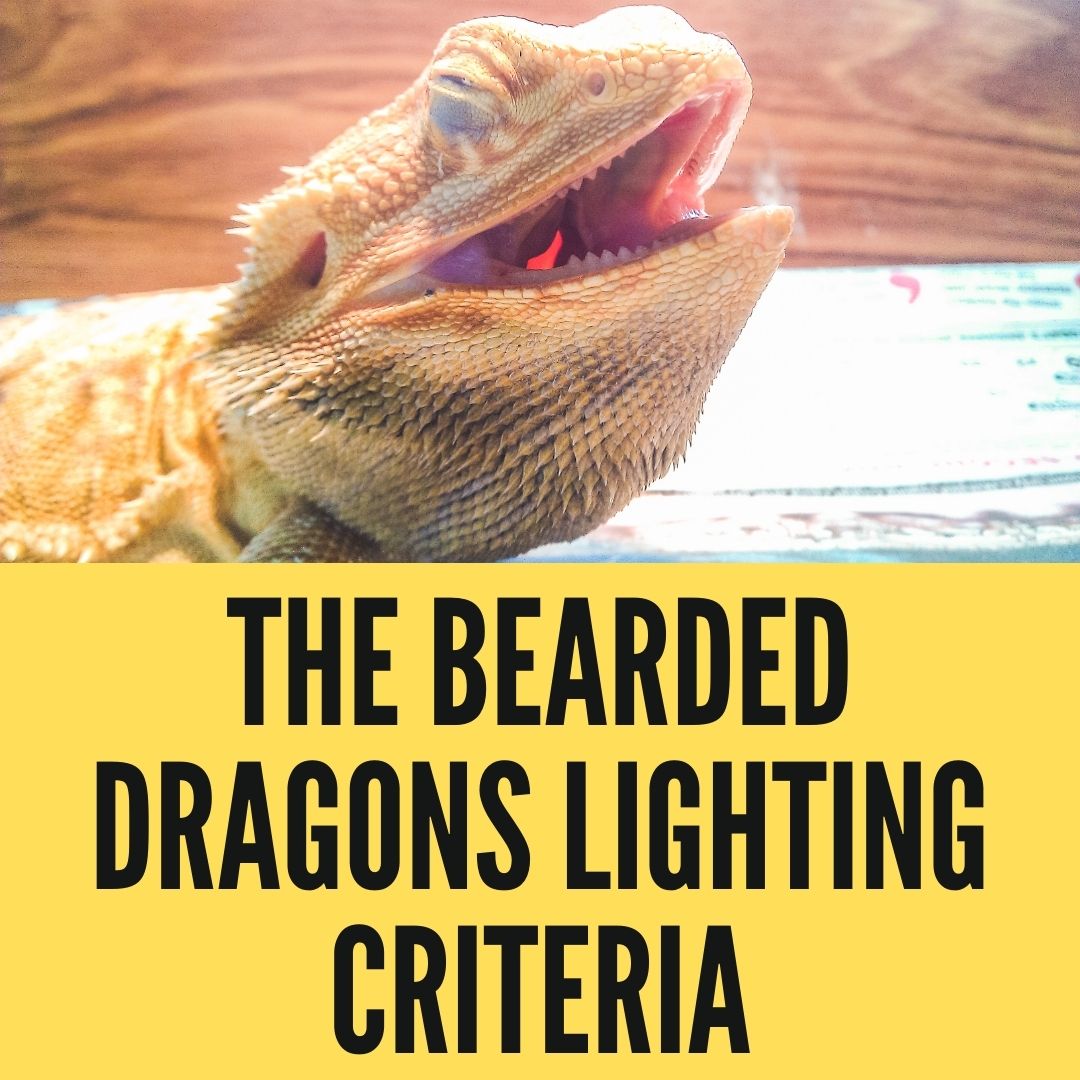
Lighting is one of the most critical factors in the care and well-being of bearded dragons (Pogona vitticeps). Proper lighting not only enhances their physical health by supporting vital processes like calcium metabolism but also influences behavior, appetite, and coloration. This comprehensive guide explains the criteria necessary for ideal lighting setups for bearded dragons, covering UVB requirements, basking light necessities, photoperiod schedules, bulb types, placement strategies, and special considerations.
Importance of Lighting for Bearded Dragons
Bearded dragons are diurnal reptiles native to the sunny deserts and woodlands of Australia. Their physiology depends heavily on exposure to specific light spectra:
- UVB Light: Essential for synthesis of vitamin D3, which helps calcium absorption and prevents metabolic bone disease (MBD).
- Visible White (UVA) Light: Supports natural behaviors including feeding and activity cycles, and enhances coloration.
- Heat/Basking Light: Provides necessary warmth to regulate body temperature and aid digestion.
In captivity, lighting must replicate these natural conditions as closely as possible.
UVB Lighting: The Cornerstone
What is UVB?
Ultraviolet B (UVB) light stimulates the production of vitamin D3 in the skin, enabling effective calcium metabolism.
Recommended UVB Levels
- The optimal UV Index (UVI) for bearded dragons is between 4.0 and 6.0 at the basking site.
- UVI below 2.9 risks MBD; above 7.0 can cause skin damage.
- Most bearded dragons tolerate UVI up to 7.0 safely but it is unnecessary.
Types of UVB Bulbs
- T5 High Output Linear Fluorescent Tubes
- Preferred choice for consistent and adequate UVB.
- Brands like Arcadia (12%-14%) and Zoo Med Reptisun (10%) are recommended.
- Must cover at least two-thirds of enclosure length for even distribution.
- Compact Fluorescent UVB Bulbs
- Produce lower intensity and uneven coverage.
- Less ideal for larger enclosures but suitable in small setups.
- Mercury Vapor Bulbs (MVB)
- Provide UVB and heat simultaneously.
- Can be used as sole basking bulb but emit excessive heat requiring careful monitoring.
UVB Placement and Distance
- UVB bulbs lose effectiveness with distance; recommend placement around 7-11 inches from basking spot (if mounted over mesh).
- If UVB is above glass or plastic covers, signal reduction can be significant; best to mount over mesh or exposed top.
- Use a Solarmeter 6.5 UV Index meter to measure and adjust correctly.
Visible White Light (UVA) and Full Spectrum Lighting
- Bearded dragons need bright, full-spectrum white light (~6500 Kelvin) which stimulates natural activity, feeding behaviors, and color vibrancy.
- Can be supplied via fluorescent tubes or LED lights.
- This visible light works in tandem with UVB to mimic natural sunlight intensity and spectrum.
Heating and Basking Light
- Basking lights provide heat for digestion and metabolic functions.
- Optimal basking temperature: 95-105°F.
- Use incandescent or halogen heat bulbs focused on a basking area with adequate thermal gradient (ambient 75-85°F, cool side 70-75°F).
- Position heat source close enough but not causing hotspots or burns.
Photoperiod: Day and Night Cycles
- Mimic natural photoperiods to regulate circadian rhythms.
- Recommended: 12 hours of light (UVB + basking) and 12 hours of darkness in winter; 14 hours of light in summer.
- Consistent schedules improve feeding, shedding, and breeding behaviors.
- Avoid nocturnal lighting (red or blue bulbs) as these can disrupt sleep and stress the dragon.
Lighting Duration and Maintenance
- Lights should be turned on daily for recommended cycles using automatic timers.
- UVB bulbs degrade over time; replace every 6-12 months even if visible light remains.
- Clean light fixtures regularly to avoid dust buildup reducing output.
Special Considerations for Morphs and Age
- Hypomelanistic (lighter) or scaleless dragons (silkbacks) are more sensitive to UV intensity; may require lower UV Index levels (around 3.0).
- Hatchlings should receive UVB exposure but might tolerate slightly lower intensities initially.
- Adult dragons generally tolerate standard UVB setups best.
Summary of Lighting Criteria
| Aspect | Recommendation |
|---|---|
| UVB UVI | 4.0–6.0 at basking spot |
| UVB Bulb Type | T5 High Output linear fluorescent preferred |
| UVB Placement | 7–11” from basking spot; over mesh preferred |
| Visible Light | Full spectrum white light 6500K approx. |
| Basking Temp | 95–105°F zone |
| Ambient Temp | 75–85°F day; 70–75°F cool side |
| Photoperiod | 12-14 hours light, 10-12 hours darkness |
| Bulb Replacement | Every 6-12 months |
| Special Morph Sensitivity | Lower UVB intensity for hypo and silkback |
Conclusion
Proper lighting, especially UVB, is fundamental to the health and longevity of bearded dragons in captivity. Establishing and maintaining suitable UV Index ranges, complemented by appropriate visible light and basking heat, fosters natural behaviors, vibrant coloration, and strong skeletal development.
Investing in quality lighting equipment and understanding its proper use and maintenance is essential for responsible beardie husbandry. Regular monitoring using UV meters, thermostats, and hygrometers ensures an ideal environment replicating their natural Australian habitat.
References:
- ReptiFiles: Bearded Dragon Lighting, Heating & Humidity Requirements
- InternetReptile: Which UV Light Should I Buy for My Bearded Dragon?
- Zen Habitats: Bearded Dragon Complete Lighting and Heating Guide
- PetMD: Bearded Dragon Care Sheet
By following these lighting criteria, bearded dragon owners can create an environment that supports health, activity, and overall wellbeing for their scaly companions well into the future.