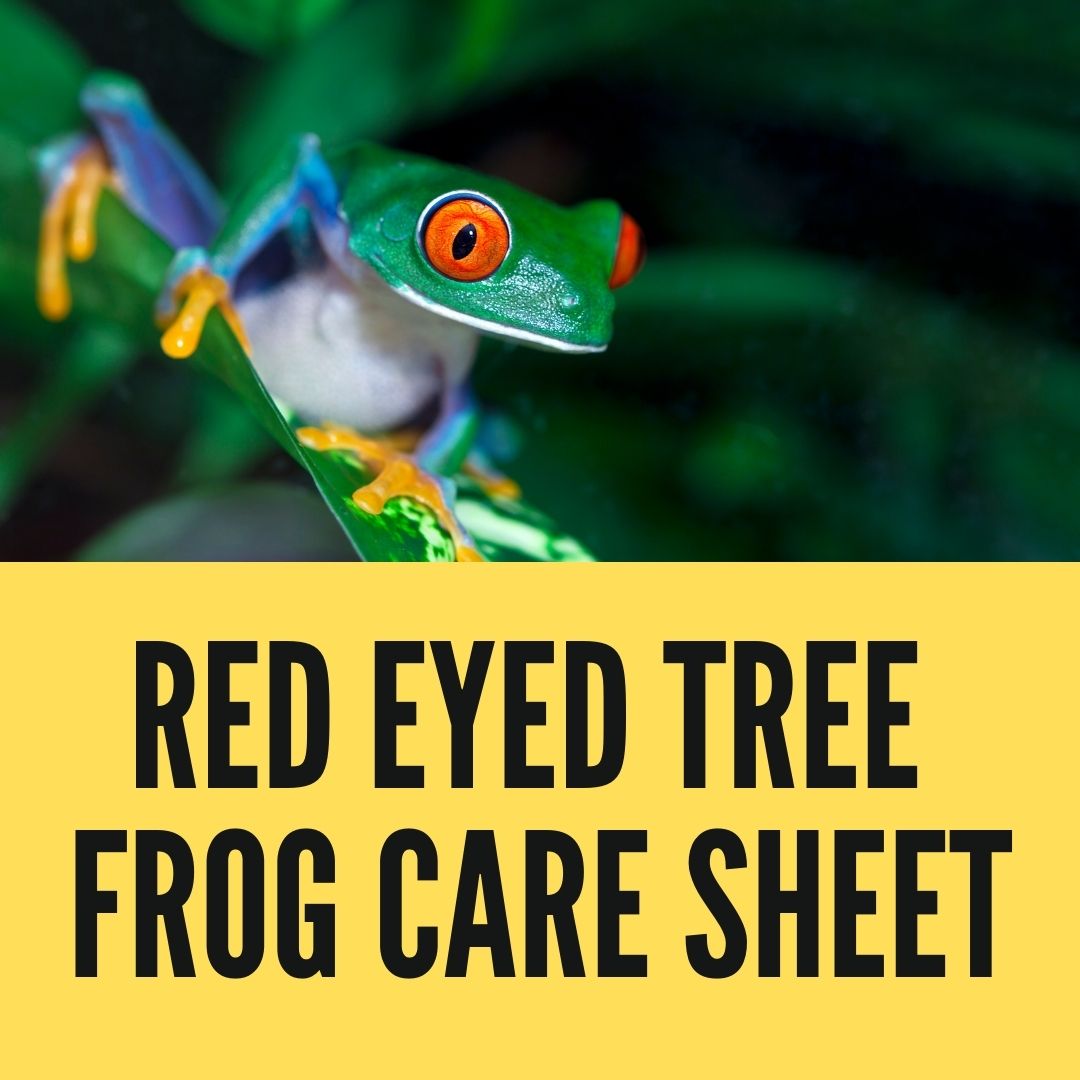
Red Eyed Tree Frogs (Agalychnis callidryas) are one of the most iconic and beloved amphibians in the pet trade and in nature, famed for their vibrant green bodies matched with striking red eyes and bright blue and yellow markings. Their natural charisma, combined with their fascinating behaviors and manageable care requirements, make them highly sought-after both by amphibian hobbyists and researchers. This comprehensive 2000+ word care sheet guides both beginners and experienced keepers on everything you need to know—from natural habitat and enclosure setup to diet, health, breeding, and more.
Natural History and Distribution
Red Eyed Tree Frogs inhabit tropical rainforests spanning Central America from southern Mexico and the Yucatán Peninsula through countries like Belize, Guatemala, Honduras, Nicaragua, Costa Rica, Panama, and reaching into northwestern Colombia. They prefer lowland and mid-elevation humid forests close to water bodies such as ponds, rivers, or temporary pools necessary for breeding.
Arboreal by nature, they are nocturnal and spend their days camouflaged among leaves, using their brilliant green skin to blend into foliage. Their signature red eyes serve a defensive purpose, startling potential predators with a sudden flash of color—a strategy known as deimatic behavior. As the monsoon and rainy seasons approach, these frogs descend from the canopy to breed, laying eggs on overhanging leaves above water where tadpoles hatch and drop below.
Enclosure Setup and Environment
Tank Size and Type
For one adult, a vertical enclosure measuring at least 18 x 18 x 24 inches is recommended. Larger is better for multiple frogs or breeding groups. Mesh or screen terrariums provide the necessary ventilation to prevent respiratory infections common in amphibians.
Substrate
Moist, organic substrates such as coconut fiber, peat moss, or a combination of soil and sphagnum moss work well. Avoid overly wet or compact substrates to prevent fungal issues and impaction.
Furnishings
Include plenty of climbing surfaces with live plants like pothos, bromeliads, ferns, and philodendrons offering shelter, humidity control, and visual barriers to reduce stress. Add branches, bark, and leaf litter to simulate their natural microhabitat.
Water dishes should be shallow and kept clean, supporting hydration. Automatic misting systems boost humidity and hydration and help maintain the moist environment these frogs thrive in.
Temperature and Humidity
- Temperature: Maintain 72–80°F (22–27°C) during the day. Night temperatures can drop slightly to 65–70°F (18–21°C).
- Humidity: Keep RH levels high between 75–85%, which can be sustained by daily misting or foggers.
- Maintaining a natural day-night photoperiod of 12 hours supports biological rhythms and reduces stress.
Lighting
Red Eyed Tree Frogs do not require intense UVB lighting; however, providing a low-level UVB bulb may benefit live plants and overall husbandry. Lighting should replicate a tropical daylight cycle of 10–12 hours, with dim or no lighting at night since they are nocturnal.
Diet and Nutrition
- Food: Primary diet consists of small live insects such as crickets, fruit flies, pinhead crickets, small roaches, moths, and flies.
- Feeding: Juveniles should be fed daily, adults 3–5 times weekly.
- Supplementation: Gut-loaded prey should be dusted with calcium powder 2–3 times per week and a multivitamin once weekly to prevent nutritional deficiencies.
- Use pesticide-free gut-loading foods for feeder insects.
Behavior and Handling
These frogs are mainly active at night for feeding and mating. During the day, they rely on camouflage and remain motionless.
Handling should be minimized because amphibians have absorbent skin susceptible to toxins, oils, and stress. When necessary, use clean, moist hands or gloves to prevent harm.
Breeding
Breeding requires simulating rainy season conditions with increased humidity and slight temperature fluctuations. Males call to attract females, engaging in ‘leaf shaking’ to establish territories and court mates.
Eggs are laid in clusters on leaves over hanging water. Tadpoles hatch after several days and fall into the water to develop.
Tadpole care requires separate aquariums with clean, aerated water and suitable foods like boiled lettuce, fish flakes, or specialized tadpole food. Metamorphosis takes about 6–12 weeks.
Health Issues and Prevention
Be vigilant for:
- Fungal and bacterial infections: Result from damp, poorly ventilated conditions.
- Nutritional deficiencies: Watch for lethargy, poor skin condition, or deformities.
- Parasites: Quarantine and fecal examinations help detect issues early.
- Stress: Avoid overcrowding, excessive handling, and poor environmental parameters.
Regular enclosure maintenance, proper diet, and prompt veterinary consultation support health.
Summary Table of Red Eyed Tree Frog Care
| Care Aspect | Recommendation |
|---|---|
| Enclosure Size | At least 18x18x24″, larger for groups |
| Temperature | Day: 72–80°F, Night: 65–70°F |
| Humidity | 75–85%, maintain with misting or foggers |
| Lighting | Low-level UVB (optional), 10–12 hr day cycle |
| Diet | Live insects dusted with calcium/multivitamins |
| Handling | Minimal, use gloves/clean wet hands |
| Breeding | High humidity, temperature cues, aquatic tadpole care |
| Health | Monitor skin, hygiene, diet, and parasite control |
Red Eyed Tree Frogs combine spectacular aesthetics with relatively straightforward care when their environmental needs are met. Their nocturnal activities and striking appearance make them immensely rewarding pets for enthusiasts willing to dedicate time and attention to their husbandry. This detailed care sheet aims to encompass all critical facets for fostering healthy, vibrant red eyed tree frogs in captivity.
Sources used in the compilation include recent and authoritative herpetological databases, conservation organizations, and veterinary care resources to ensure accuracy and reliability.
- https://en.wikipedia.org/wiki/Agalychnis_callidryas
- https://www.rainforest-alliance.org/species/tree-frog/
- https://www.worldlandtrust.org/species/amphibians/red-eyed-tree-frog/
- https://animaldiversity.org/accounts/Agalychnis_callidryas/
- https://australian.museum/learn/animals/frogs/red-eyed-tree-frog/
- https://paigntonzoo.org.uk/animals-az/red-eyed-tree-frog/
- https://www.nationalgeographic.com/animals/amphibians/facts/red-eyed-tree-frog
- https://animals.howstuffworks.com/amphibians/red-eyed-tree-frog.htm
- https://amphibiaweb.org/species/616