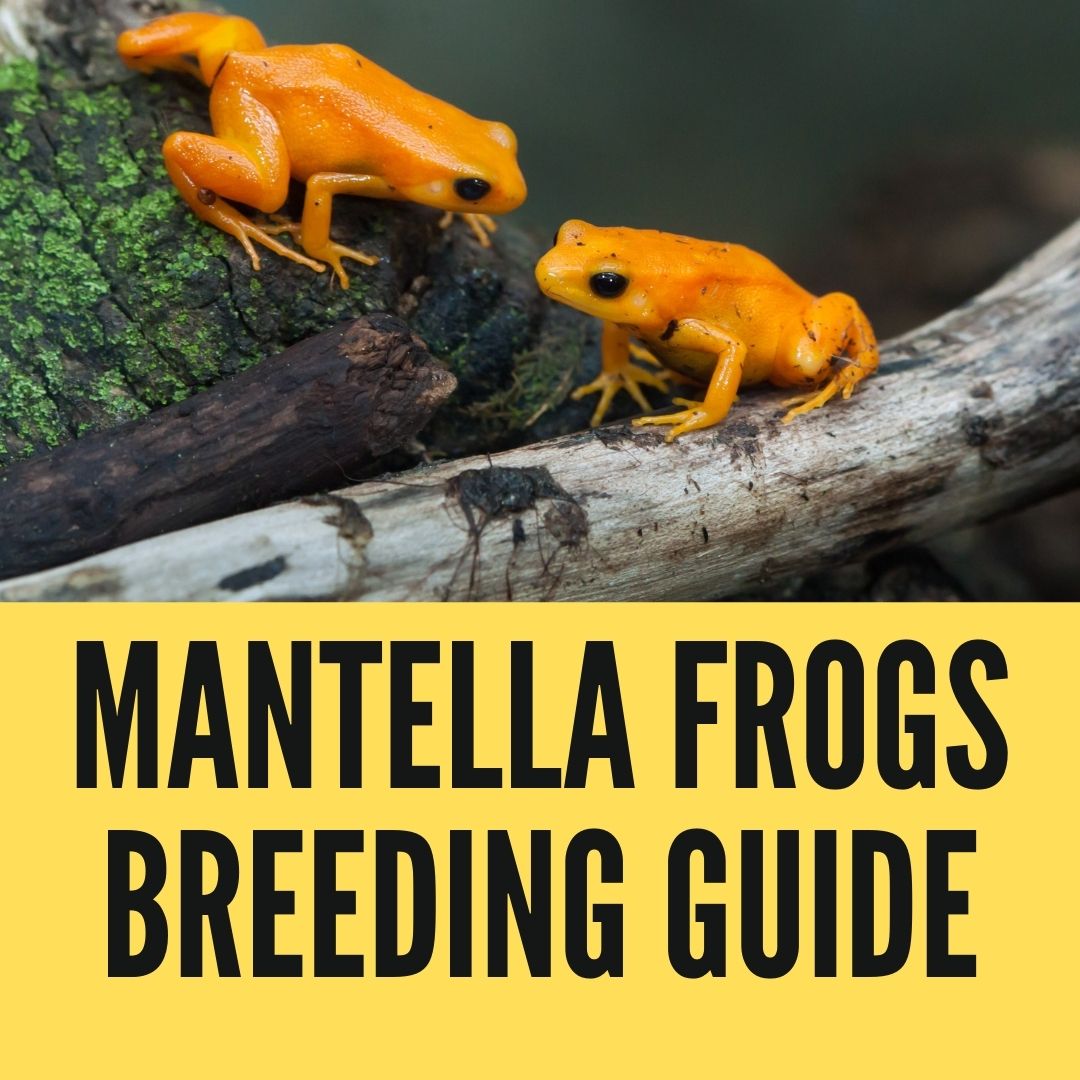
Mantella frogs are small, brightly colored amphibians native to Madagascar, renowned for their striking patterns and vibrant colors. Often compared to poison dart frogs, mantellas present a rewarding challenge for breeders due to their unique environmental needs and fascinating reproductive strategies. This detailed guide covers everything a beginner or pro needs to know about successfully breeding mantella frogs in captivity, including housing, feeding, environmental cues, egg and tadpole care, and troubleshooting common issues.
Understanding Mantella Frogs
Mantellas (genus Mantella) are terrestrial frogs that thrive in the humid, tropical forests of Madagascar. Some common species include Mantella aurantiaca (Golden Mantella), Mantella baroni, and Mantella laevigata.
Mantellas are relatively small, with adults typically ranging from 1 to 2 inches in length. Males have brighter colors and call to attract females, while females are generally larger and more robust. Unlike many amphibians, mantellas do not vocalize if female, making identification easier by observing calls.
Setting Up for Breeding Mantellas
Housing and Group Dynamics
- Keep groups with more males than females (e.g., 6–8 males with 3 females) to encourage territorial and breeding behaviors.
- Use low, wide terrariums (around 90cm x 40cm x 50cm for 10-12 frogs) because mantellas are terrestrial and do not climb much.
- Maintain simple terrarium setups with moist substrates such as sphagnum moss and leaf litter, damp logs, and bark. Limit hides and elaborate décor to make egg-finding easier during breeding season.
- Ensure proper humidity (about 75–85%) with moderate misting, especially during breeding transitions.
Environmental Conditions and Seasonal Cues
Breeding mantellas in captivity depends heavily on mimicking Madagascar’s wet and dry seasons:
- During the dry/cool season (winter), keep terrariums dry with minimal misting every 5–7 days and reduce temperature (around 68°F or 20°C).
- Gradually increase humidity and misting frequency daily as spring approaches.
- Raise temperatures slightly (into the low 70s °F/22–24°C) and feed heavily to stimulate reproductive condition.
- Males begin calling, and females develop visibly swollen abdomens indicating egg development.
Breeding Behavior and Egg Laying
- Mantellas deposit eggs in dark crevices—commonly on cork bark over moist sphagnum moss, under water dishes, dried leaves, or specially provided artificial sites.
- Clutch size varies by species, from a few dozen to over 100 eggs.
- Fertilization occurs immediately or up to two days after deposition via multiple males.
- Eggs are never laid directly in water.
Frequent misting of egg deposition sites prevents desiccation and supports development.
Tadpole and Froglet Care
- Eggs hatch after 2–6 days, and tadpoles drop or are flushed into nearby water pools or aquatic containers.
- Provide clean, aerated water; feed tadpoles specialized foods such as tropical fish flakes, algae wafers, bloodworms, daphnia, and powdered spirulina or chlorella a few times a week.
- Remove uneaten food daily to maintain water quality.
- Tadpoles metamorphose from 8 to 14 weeks depending on species and conditions.
- During metamorphosis, transfer froglets to shallow water with moss or damp substrate to avoid drowning.
- Once tails are absorbed, house froglets separately with appropriate diet and higher humidity.
Juveniles develop adult coloration gradually over their first year.
Feeding Breeding and Juvenile Mantellas
- Mantellas are insectivorous and require a varied diet. Include crickets, fruit flies, termites, roach nymphs, small spiders, rice flour beetle larvae, and waxworms.
- Feed juveniles daily; adults may eat daily or every other day depending on activity.
- Gut-load feeder insects and dust regularly with calcium and vitamin supplements for reproductive health and growth.
Troubleshooting Common Breeding Challenges
- Infertile eggs are common due to lack of male interaction; maintain adequate male ratios and encourage calling behavior.
- Overly complex vivarium setups make egg finding difficult; keep breeding enclosures simple.
- Insufficient humidity or dry conditions during breeding season hinder egg development.
- Tadpole mortality may result from poor water quality or inappropriate diet.
- Avoid overcrowding and monitor aggressive behavior or competition.
Summary Table: Breeding Mantella Frogs
| Aspect | Recommendation |
|---|---|
| Group size | 6-8 males, 3 females |
| Enclosure | Low, wide, simple—90cm x 40cm x 50cm for 10-12 frogs |
| Temperature | Dry season 68°F, breeding season low 70s°F |
| Humidity | 75–85%; less misting during dry season, daily during breeding |
| Feeding | Diverse insects daily (juveniles), every 1-2 days adults |
| Egg laying sites | Moist cork bark, moss, water dish undersides |
| Tadpole care | Clean and aerated water, varied diet, remove waste |
| Juvenile rearing | Shallow water with moss, separate housing |
| Troubleshooting | Maintain male ratio, monitor humidity, maintain simple setups |
Breeding mantella frogs is a rewarding endeavor that preserves these incredible tropical amphibians and supports conservation efforts. It requires keen observation of environmental conditions resembling Madagascar’s seasonal variation, diligent care for eggs and tadpoles, and a commitment to maintaining optimal husbandry. This dummies guide aims to simplify the process, empowering hobbyists to breed mantellas successfully and contribute to the sustainability of captive populations.
With patient setup and attentive care, breeding mantellas can become a highlight of amphibian keeping, providing insights into their fascinating life cycle and bringing vibrancy to your collection.
- https://reptilesmagazine.com/breeding-mantellas/
- https://www.youtube.com/shorts/8EiUASUD4Lg
- http://www.faunanyc.com/golden-mantellas-mantella-aurantiaca-calling-and-breeding/
- http://www.amphibian.co.uk/mantella.html
- https://www.conservationevidence.com/individual-study/5154
- https://www.facebook.com/herptime/posts/setting-up-my-golden-mantellas-for-breeding-in-this-low-boy-36x18x12-zoomedlabs-/1105101781637875/
- https://mantellaman.files.wordpress.com/2015/10/breeding-mantella-by-joshua-ralph.pdf
- https://www.youtube.com/shorts/PVTFqNS948I