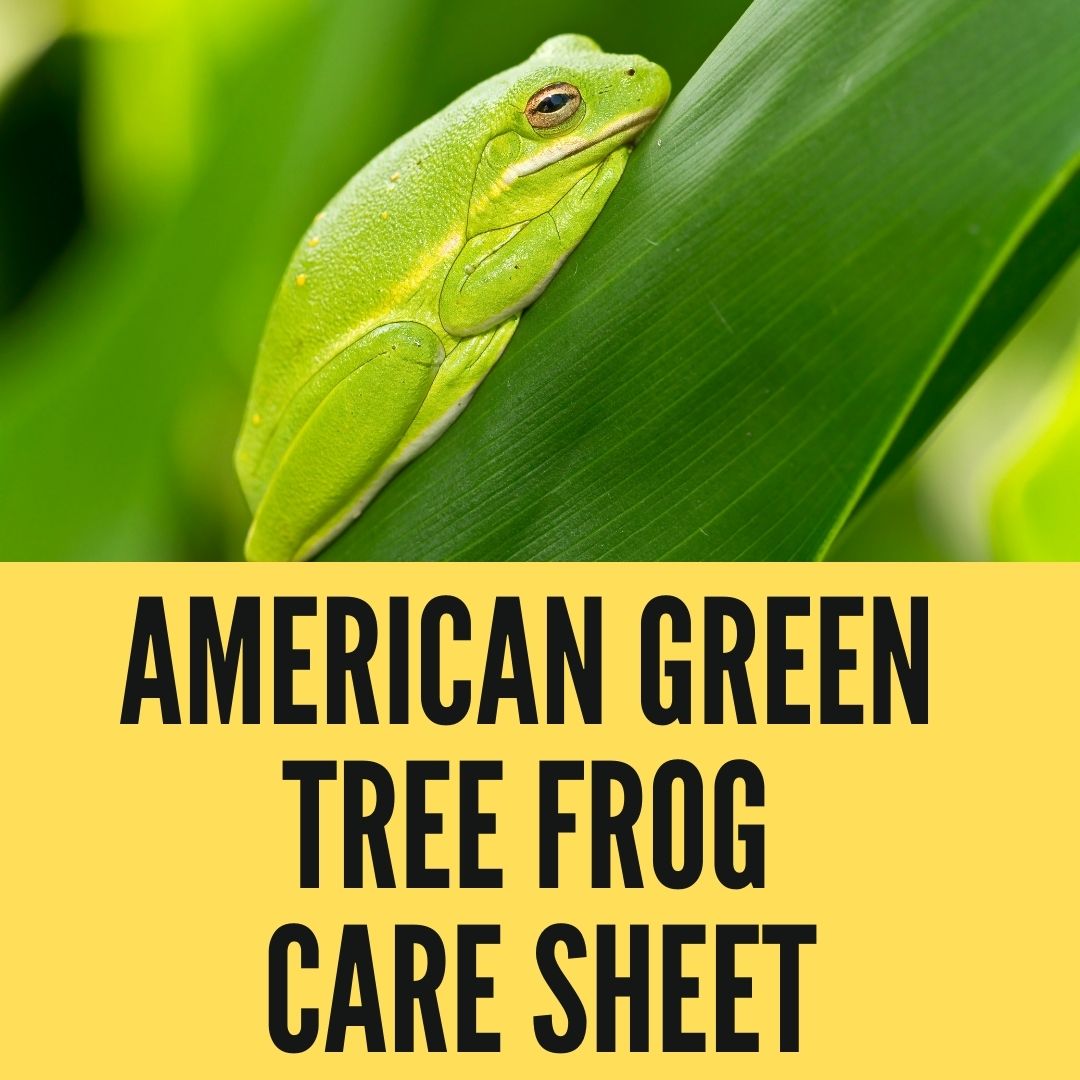
American Green Tree Frogs (Dryophytes cinereus) are one of the most popular and widespread tree frog species native to the southeastern United States. Known for their vibrant green color and distinctive, melodious call, they are relatively hardy and adaptable, making them excellent pets for both beginners and advanced amphibian enthusiasts. This comprehensive 1500+ word care sheet will delve into their natural history, habitat, enclosure requirements, temperature and humidity needs, diet, handling, breeding, and common health concerns.
Natural History and Distribution
The American Green Tree Frog is commonly found across the coastal plains and wetlands of the southeastern U.S., including states such as Florida, Georgia, Louisiana, Maryland, and extending as far west as Texas. Their habitat mainly consists of open canopy forests with permanent water sources like swamps, marshes, ponds, and slow-moving rivers. They thrive in environments rich in aquatic and terrestrial vegetation, often seen perched on tree branches, twigs, or grasses near water bodies.
This frog is both arboreal and semi-aquatic, often moving between aquatic breeding sites and terrestrial or arboreal foraging areas. Their bright green skin provides camouflage in the lush foliage, while their sticky toe pads enable adept climbing on varied surfaces.
Enclosure Setup
Size and Type
For a single American Green Tree Frog, a vertical enclosure measuring at least 12 x 12 x 18 inches is recommended. Larger terrariums or screen cages (18 x 18 x 24 inches or more) are preferred if housing groups. The enclosure should allow climbing and exhibit good ventilation.
Furnishings and Substrate
Use a substrate that retains moisture yet drains well, such as coconut fiber mixes or organic topsoil with leaf litter. Avoid substrates that promote mold or bacterial growth. Include multiple climbing structures such as branches, live plants like pothos, bromeliads, and ferns, and plenty of hiding spots to mimic natural habitat.
A shallow water dish with clean, dechlorinated water is essential. Change water daily to maintain hygiene.
Temperature and Humidity
- Temperature: Maintain daytime temperatures between 75–85°F (24–29°C), with nighttime drops to 65–75°F (18–24°C). Avoid temperatures above 85°F to prevent stress.
- Humidity: Keep relative humidity between 50–70%, achieved through regular misting (daily or every other day), live plants, and water dishes. Proper ventilation helps prevent damp-related infections and fungal growth.
Lighting and Photoperiod
While American Green Tree Frogs do not require UVB lighting, providing a low-level UVB light can support plant health in a planted terrarium and benefit frog wellbeing. A 10–12 hour day/night light cycle simulates natural rhythms and influences breeding behavior.
Diet and Feeding
American Green Tree Frogs are carnivorous, feeding primarily on insects including:
- Crickets (appropriately sized)
- Fruit flies
- Small roaches
- Mealworms (sparingly)
- Flies and moths
Offer insects gut-loaded with nutritious foods 24–48 hours prior to feeding. Dust prey with calcium powder 2–3 times per week and provide a multivitamin supplement weekly.
Juveniles require daily feeding, whereas adults thrive on feeding every 2–3 days. Remove uneaten insects promptly to prevent stress or injury.
Behavior and Handling
These frogs are generally calm and tolerate minimal handling. However, excessive handling can stress them, causing defensive behaviors and poor health. Any handling should be gentle, with clean and wet hands or gloves to prevent harm from oils or chemicals.
American Green Tree Frogs communicate using vocalizations, especially during breeding seasons. Males emit distinctive calls to attract females and establish territory.
Breeding
Breeding American Green Tree Frogs in captivity involves:
- Simulating seasonal environmental changes, including increased humidity and temperature variations.
- Providing ample aquatic or semi-aquatic areas with clean water for egg laying.
- Eggs hatch into tadpoles that require separate aquariums with clean, aerated water.
- Feed tadpoles specialized commercial foods or small aquatic organisms.
- Metamorphosis occurs in 6–12 weeks, after which juveniles should be transferred to terrestrial enclosures with higher humidity.
Common Health Issues
- Skin infections and fungal diseases: Often due to excess moisture, poor ventilation, or dirty enclosures.
- Nutritional deficiencies: Caused by inadequate diet or supplementation, leading to lethargy, deformities, or poor growth.
- Parasites: Can infest digestive and respiratory systems; quarantine new frogs and maintain good hygiene.
- Stress: Overcrowding, improper environment, or excessive handling affects immune response.
Early detection and veterinary consultation improve health outcomes.
Summary of Care Requirements
| Care Aspect | Recommendations |
|---|---|
| Enclosure size | Minimum 12x12x18″, larger for groups |
| Temperature | Day: 75–85°F, Night: 65–75°F |
| Humidity | 50–70%, regular misting and water availability |
| Lighting | Natural photoperiod, optional low-level UVB |
| Diet | Varied live insects, calcium and vitamin supplements |
| Handling | Minimal and gentle, gloves advised |
| Breeding | Seasonal cues, aquatic environment for eggs/tadpoles |
| Health | Maintain cleanliness, monitor for infections and parasites |
American Green Tree Frogs are captivating amphibians that thrive when their natural environmental and dietary needs are met in captivity. Their adaptability and relative hardiness make them excellent pets, but responsible care and attention to detail are essential for their wellbeing. This care sheet offers a complete guide for anyone wishing to embark on keeping American Green Tree Frogs, providing the knowledge required to maintain healthy and happy frogs over many years.
- https://en.wikipedia.org/wiki/American_green_tree_frog
- https://nas.er.usgs.gov/queries/factsheet.aspx?SpeciesID=53
- https://reptichip.com/blogs/animals/american-green-tree-frog
- https://www.nwf.org/Educational-Resources/Wildlife-Guide/Amphibians/Tree-Frogs
- https://ambassadoranimalsag.wordpress.com/2019/07/27/american-green-tree-frog-2/
- https://animaldiversity.org/accounts/Lithobates_clamitans/
- https://www.wildlifedepartment.com/wildlife/field-guide/amphibians/green-treefrog
- https://alabamawildlife.org/wonders-of-wildlife-green-tree-frog/
- https://www.canvasofthewild.com/species/american-green-tree-frog
- https://explorer.natureserve.org/Taxon/ELEMENT_GLOBAL.2.105168/Dryophytes_cinereus