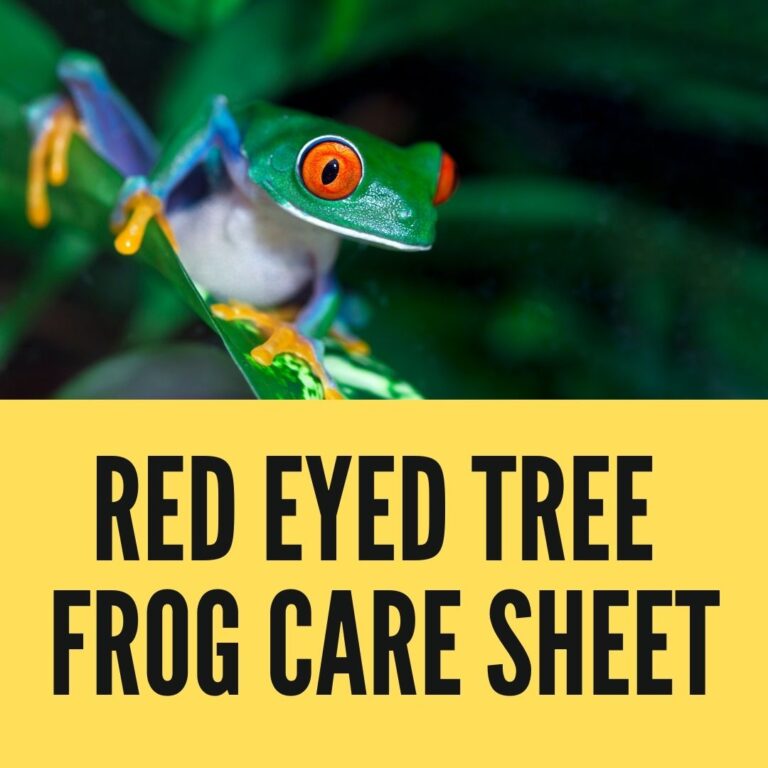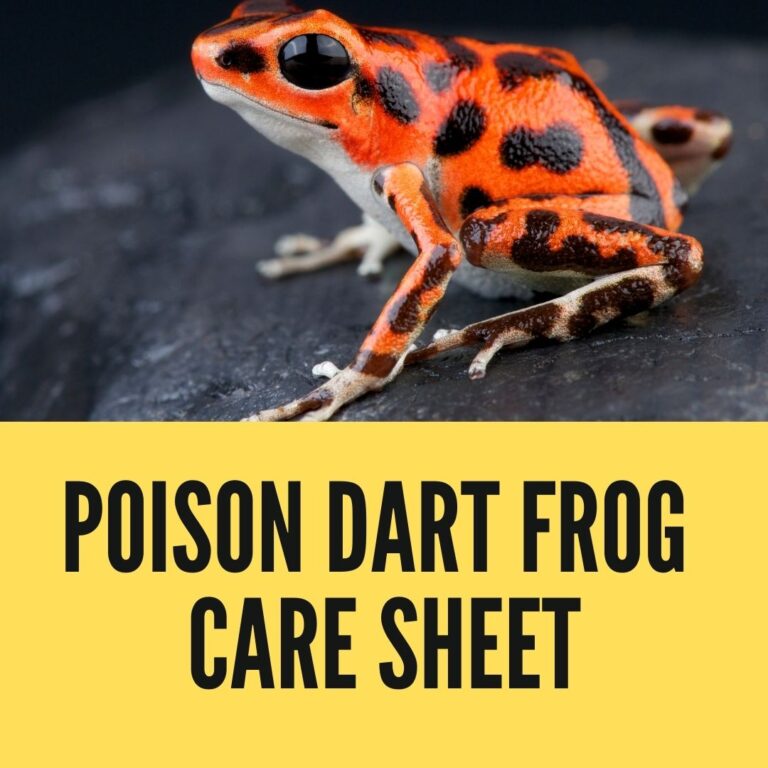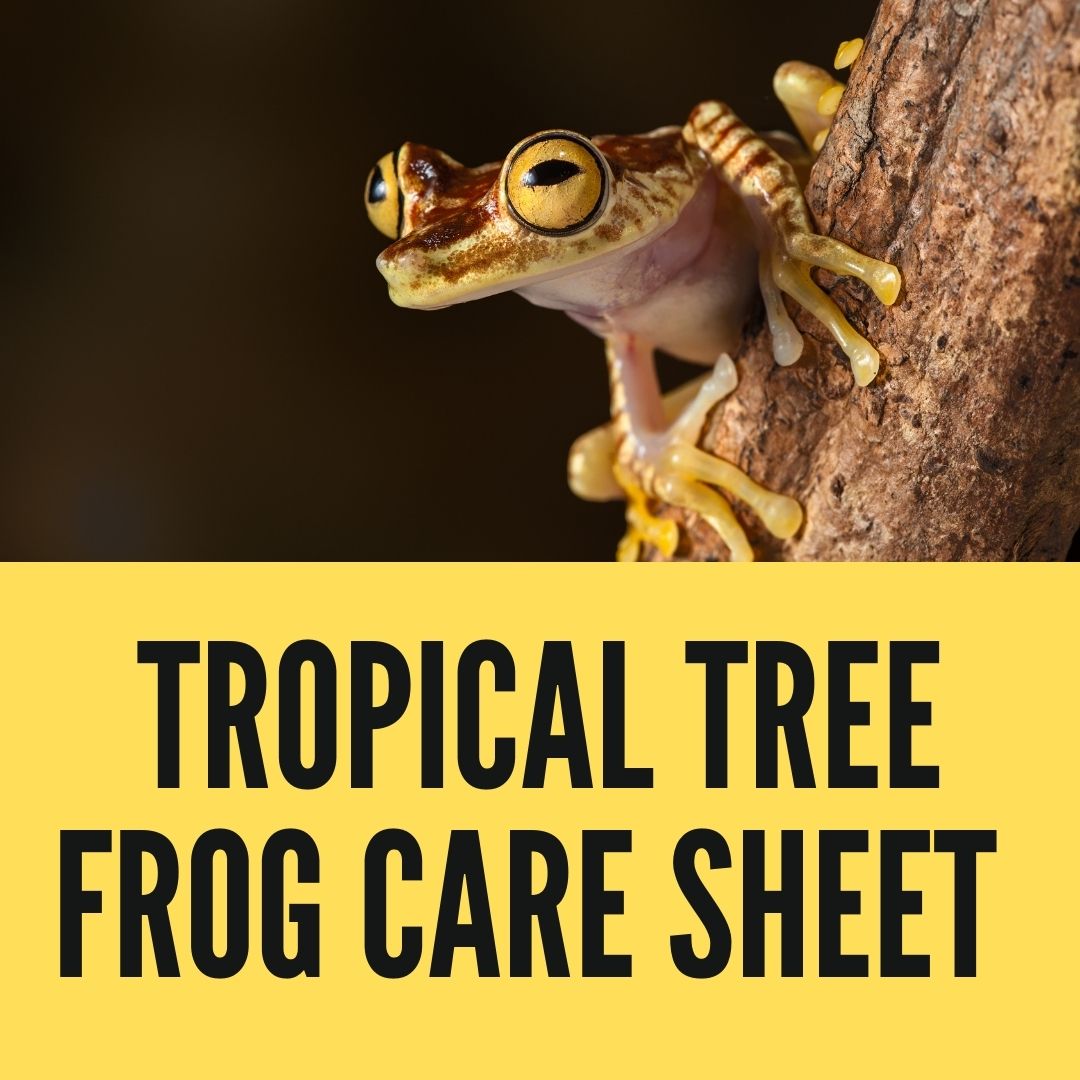
Tropical tree frogs are vibrant, delightful amphibians popular in the pet trade for their striking colors and arboreal habits. Successful care involves replicating their warm, humid rainforest environment with appropriate feeding, housing, lighting, and temperature control. This comprehensive care sheet guides both newbies and seasoned keepers on tropical tree frog husbandry, covering feeding, housing, breeding, lighting, temperature, and more.
Natural Habitat & Overview
Tropical tree frogs inhabit humid, tropical rainforests mainly near freshwater sources across Central and South America, Asia, and parts of Africa. They climb trees and shrubs using specialized adhesive toe pads, thriving in environments with ample vegetation. These frogs are often nocturnal, feeding on insects and small invertebrates, and rely on moisture and humidity for skin health.
Housing and Enclosure
Enclosure Size and Type
Provide a vertically oriented terrarium with good ventilation to simulate arboreal life. A minimum of 12x12x18 inches is suitable for one frog, but larger enclosures (e.g., 18x18x24 inches) allow group housing and enriched environments.
Screen cages or glass tanks with mesh lids provide the best airflow while maintaining humidity.
Substrate and Décor
Use moisture-retentive substrates such as coconut fiber, sphagnum moss, or organic topsoil with leaf litter to maintain humidity without saturating the enclosure.
Include multipurpose climbing structures:
- Live plants such as bromeliads, pothos, ferns,
- Branches, vines, cork bark for perching and hiding
- Leaf litter and cork shelters, creating natural hiding spaces
Feeding and Diet
Tropical tree frogs are insectivores. Their diet should consist primarily of:
- Crickets (appropriately sized)
- Fruit flies and pinhead crickets for juveniles
- Small roaches, moths, and flies occasionally
Feed juvenile frogs daily; adults can be fed every 2-3 days. Dust prey with calcium powder 2-3 times weekly and a multivitamin once per week. Gut-load feeder insects 24-48 hours before feeding with leafy greens, carrots, or specialized gut-load products.
Lighting and Temperature
- Temperature: Keep around 72-80°F (22-27°C) during the day, with nighttime drops to 65-70°F (18-21°C).
- Humidity: Maintain 70-90% relative humidity through regular misting and hydrated substrate.
- Lighting: UVB lighting generally is not required but may support plant growth and frog health in combination with a 10-12 hour natural day/night cycle.
Water and Hydration
Always provide clean, dechlorinated water in a shallow dish, changed daily. Misting the enclosure daily or using automated misting systems encourages hydration and skin health. Water droplets on foliage allow frogs to drink naturally.
Breeding
To breed tropical tree frogs, simulate rainy season environmental cues by increasing humidity and varying temperature slightly. Provide overwater egg-laying sites such as leaves above small pools or water pans. Tadpoles require separate aquatic tanks with clean, oxygenated water and a diet of boiled greens and specialized tadpole foods. Metamorphosis occurs over 6 to 12 weeks.
Handling and Behavior
Minimize handling because frogs’ skin is sensitive to oils, lotions, and chemicals. Use clean, wet hands or gloves if handling is necessary. Frogs are mainly nocturnal and shy but become active at night for feeding and breeding calls.
Health and Common Concerns
- Fungal and bacterial infections arise from poor hygiene or excessive moisture.
- Nutritional deficiencies cause lethargy and poor growth.
- Parasites are preventable with quarantine and hygienic feeding practices.
- Stress results from overcrowding, inadequate hiding places, or frequent handling.
Cleaning and Maintenance
Spot clean daily by removing waste and uneaten food. Disinfect water dishes daily. Replace substrate or perform deep enclosure cleaning monthly or when mold or odor arises.
Care Summary Table
| Care Aspect | Requirement |
|---|---|
| Enclosure size | Minimum 12x12x18″; larger for optimal enrichment |
| Temperature | Day: 72-80°F; Night: 65-70°F |
| Humidity | Maintain 70-90% with misting and moist substrate |
| Lighting | Natural photoperiod; optional low-level UVB |
| Diet | Variety of gut-loaded insects; calcium & vitamins |
| Water | Dechlorinated shallow dish; changed daily |
| Handling | Minimal, use wet hands or gloves |
| Breeding | Simulate rainy season; provide aquatic nursery |
| Health | Monitor hygeine, diet, stress, parasites |
Tropical tree frogs are enchanting pets requiring a properly maintained humid, warm environment with ample climbing space, diverse diet, and careful husbandry. This comprehensive guide equips enthusiasts with the knowledge necessary for fostering vibrant, healthy frogs and introduces best practices to sustain their well-being in captivity long term.
- https://www.petmd.com/exotic/green-tree-frog-care-sheet
- https://www.pbspettravel.co.uk/blog/the-beginners-guide-to-keeping-tree-frogs-as-pets/
- https://www.petsmart.ca/learning-center/reptile-care/a-set-up-guide-for-your-new-tree-frog/A0191.html
- https://www.youtube.com/watch?v=aSydXNfghHo
- https://www.zillarules.com/information/care-sheets/white-s-tree-frog
- https://exo-terra.com/explore/care-guides/frogs-toads/agalychnis-callidryas/
- https://www.seaviewaquarium.com.au/article/green-tree-frogs-a-comprehensive-guide-on-how-to-care-for-them
- https://thetyedyediguana.com/blog/the-beginners-guide-to-pet-frogs-beyond-the-basics/
- https://petadvocacy.org/wp-content/uploads/2022/01/Frog-Care-Sheet.pdf
- https://www.chewy.com/education/reptile-and-amphibian/frog/frog-tank-setup