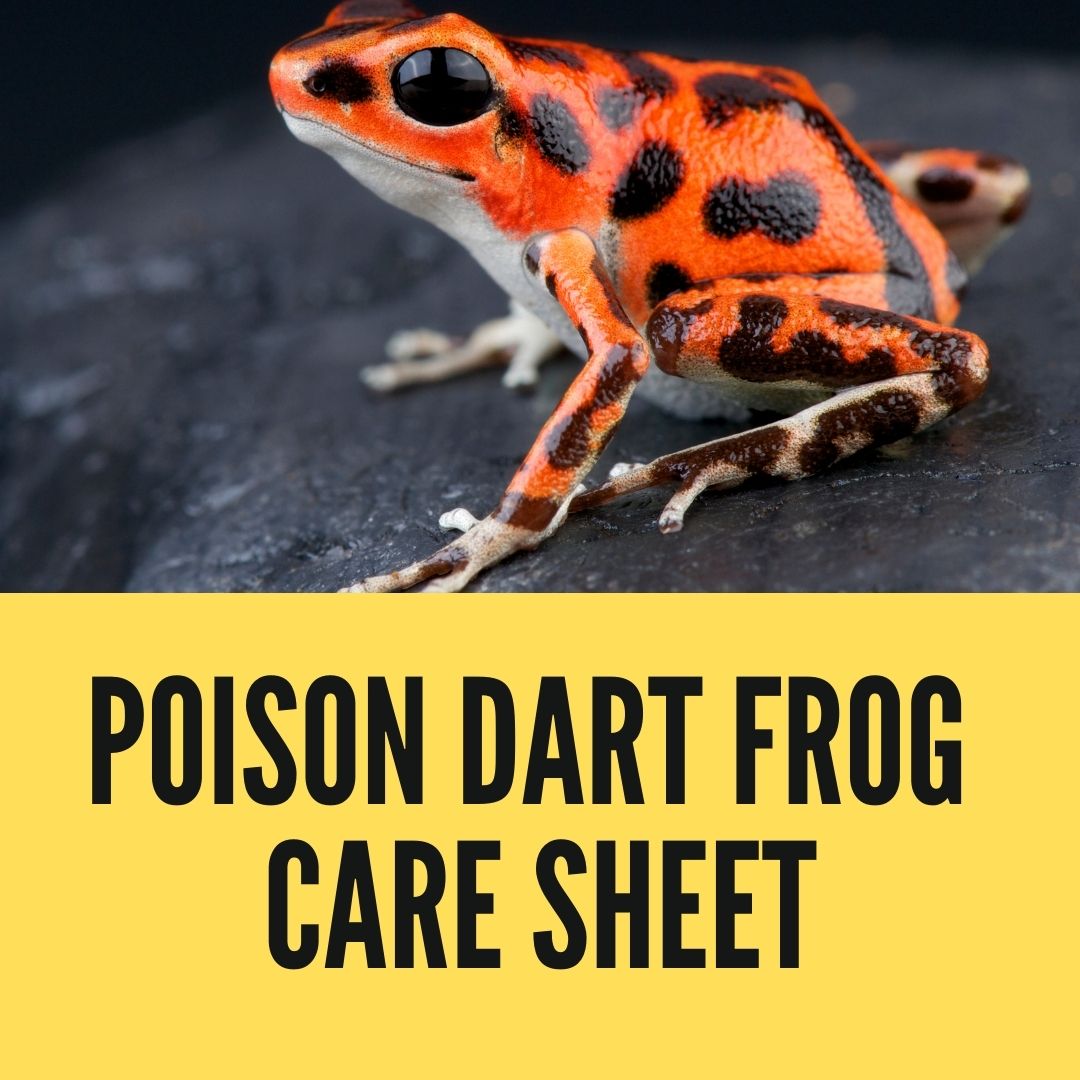
Poison dart frogs are vibrant, small amphibians admired for their dazzling colors and intriguing behaviors. Though their wild relatives gain toxicity from diet, captive-bred poison dart frogs are safe for responsible pet ownership when given proper care. This detailed care sheet covers all essential areas for maintaining healthy, thriving poison dart frogs in captivity, including habitat setup, temperature, humidity, diet, supplementation, handling, health, and breeding for both beginners and advanced keepers.
Species Diversity and Natural History
Poison dart frogs belong to the family Dendrobatidae, encompassing over 170 species native primarily to Central and South American tropical forests. Their brilliant colors—ranging from vivid blues, reds, yellows to greens and black patterns—not only make them visually stunning but function as aposematic coloration to warn predators of their toxicity in the wild.
Popular captive species include Oophaga pumilio (strawberry poison dart frog), Dendrobates tinctorius (dyeing poison dart frog), and Phyllobates terribilis (golden poison frog). Captive frogs lack toxins due to controlled diets, making them safe pets.
Habitat and Enclosure Setup
Poison dart frogs need a well-planned habitat to replicate their humid tropical forest floor environment:
- Enclosure Size: Minimum 12″ x 12″ x 18″ for a small group; larger is preferred for multiple frogs.
- Substrate: A bioactive substrate mix like a layer of LECA clay balls for drainage, a mesh separator, topped with tropical forest floor mix (tree fern fiber, sphagnum moss, orchid bark) promotes healthy microfauna and moisture retention.
- Plants: Live plants such as bromeliads, ferns, mosses, and orchid species provide hiding spots, climbing surfaces, humidity control, and create a natural ecosystem.
- Decor: Cork bark, leaf litter, and driftwood mimic the frogs’ natural habitat and create varied terrain.
- Water: Provide a small, shallow dish of dechlorinated water that is replenished frequently; longer soaking pools or small pans for tadpoles if breeding.
Maintaining a bioactive terrarium helps regulate ammonia and waste naturally, reducing maintenance needs and promoting frog health.
Temperature and Humidity
- Temperature: Maintain daytime temperatures between 70–80°F (21–27°C), with no higher than mid-80s°F (29°C) to avoid stress or lethality.
- Night: Allow a slight drop to 65–70°F (18–21°C).
- Humidity: Keep consistent relative humidity levels around 80–100% by misting 1–3 times daily manually or via automated systems.
- Ventilation: Ensure adequate airflow to prevent mold and fungal growth while retaining humidity.
Lighting and UVB
Poison dart frogs can thrive without UVB lighting because they do not depend heavily on sunlight for vitamin D3 synthesis in captivity, but moderate, indirect lighting helps plant growth and simulates a natural day/night cycle. If UVB is provided, low output bulbs (2.0 or 5.0) on a 10–12 hour timer are recommended.
Diet and Nutrition
- Food: Fruit flies (Drosophila melanogaster and D. hydei) are staple food items. Supplement with pinhead crickets, springtails, bean beetles, and rice flour beetle larvae for variety.
- Feeding frequency: Juveniles eat daily or every other day; adults feed 3–5 times per week depending on size and activity.
- Gut-loading: Feed all live insects nutritious diets (leafy greens, vegetables, commercial gut-load formulas) to enhance nutrition passed to frogs.
- Supplements: Dust insects with calcium powder without vitamin D3 2–3 times weekly. Vitamin A and multivitamin dusting is done once or twice per month in rotation with other supplements like Dendrocare or Repashy supplements. Over-supplementation should be avoided.
- Water Quality: Use chlorine- and chloramine-free water for misting, drinking dishes, and breeding tanks.
Handling and Temperament
Poison dart frogs have permeable skin sensitive to oils, lotions, and chemicals, so handling is generally discouraged to minimize stress and health risks. If necessary, handle gently with clean, wet hands or gloves.
They are curious and active but best appreciated as display animals. Excess handling can cause stress, change color patterns, and risk transfer of pathogens.
Health and Common Issues
- Skin infections from bacteria or fungi are common in damp, poorly maintained enclosures.
- Nutritional deficiencies can cause lethargy, poor skin shedding, and deformities.
- Parasites may be introduced with feeder insects; quarantine new animals and maintain hygiene.
- Stress from overcrowding, poor environmental conditions, or excessive handling can suppress immune function.
Prevent issues through regular enclosure cleaning, water changes, appropriate diet and supplementation, and monitoring behavior.
Breeding
Dart frog breeding can be rewarding but requires controlled environmental conditions:
- Maintain optimal temperature, humidity, and water availability.
- Provide breeding sites like water-filled bromeliads or mossy pools.
- Many species have elaborate parental care, with females depositing tadpoles on small water reservoirs and occasionally feeding unfertilized eggs.
- Tadpoles need separate rearing tanks with clean, aerated water and specialized food.
- Metamorphosis takes 6–12 weeks; juveniles should receive appropriate-sized foods and high humidity.
Summary Checklist for Poison Dart Frog Care
| Aspect | Recommendations |
|---|---|
| Enclosure size | ≥12″x12″x18″, bioactive setup preferred |
| Temperature | Day: 70–80°F, night: 65–70°F |
| Humidity | Maintain 80–100%, mist 1–3 times daily |
| Lighting | Indirect light, UVB optional (low output) |
| Diet | Variety of gut-loaded small insects |
| Supplementation | Calcium dust 2–3x/week, vitamins intermittently |
| Handling | Minimal; gloves recommended |
| Health | Monitor skin, behavior; maintain cleanliness |
| Breeding | Provide water pools; separate tadpole rearing |
Poison dart frogs make captivating pets with their unique behaviors and eye-catching colors, but they demand a dedicated keeper who can meet their specific environmental and nutritional needs. Careful attention to terrarium conditions, diet, water quality, and supplementation will enable these amphibians to thrive in captive settings for years, rewarding their owners with stunning visuals and fascinating behavior.
This guide is compiled from expert resources and breeder experiences to help hobbyists provide excellent care and sustain healthy poison dart frog populations in captivity.
Check sources
- https://azeah.com/frogs/poison-dart-frog-care
- https://www.thebiodude.com/blogs/frog-caresheets/keeping-poison-dart-frogs-as-pets-and-bioactive-terrarium-maintenance
- https://reptilesmagazine.com/poison-dart-frog-care-sheet/
- https://www.youtube.com/watch?v=JWhZGQtRPl4
- https://www.grimoireexotics.com/post/oophaga-pumilio-strawberry-poison-dart-frog-care-guide
- https://www.vivipedia.net/care-guides/poison-dart-frog
- https://www.reptilecymru.co.uk/dart-frog-care-guide/
- https://surreyreptilecentre.co.uk/wp-content/uploads/2022/04/Dart-Frog-Care-Sheet.pdf
- https://www.youtube.com/playlist?list=PLapmCIGTL73fu81Ycqbj90cN5vP_uyJRI