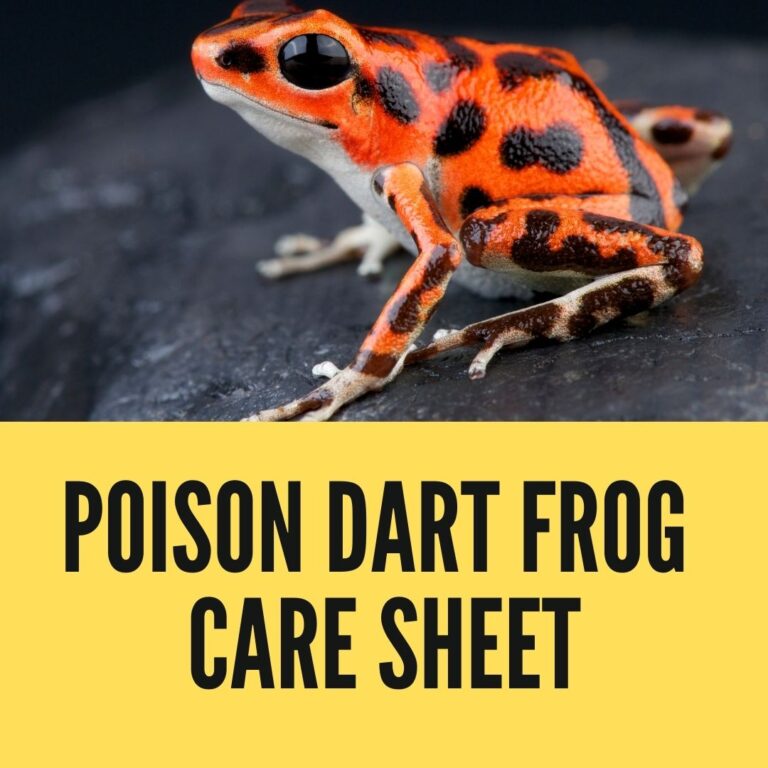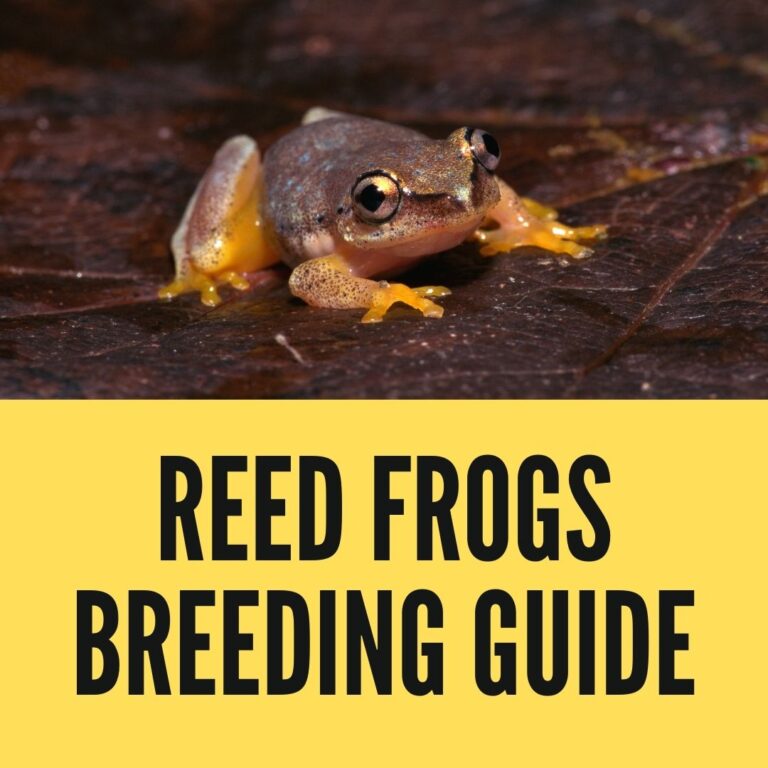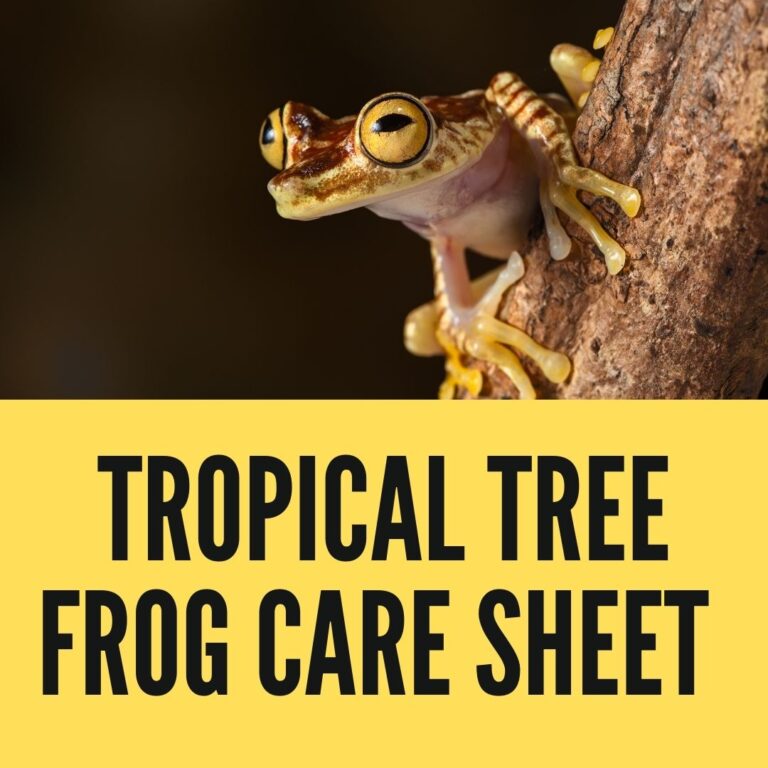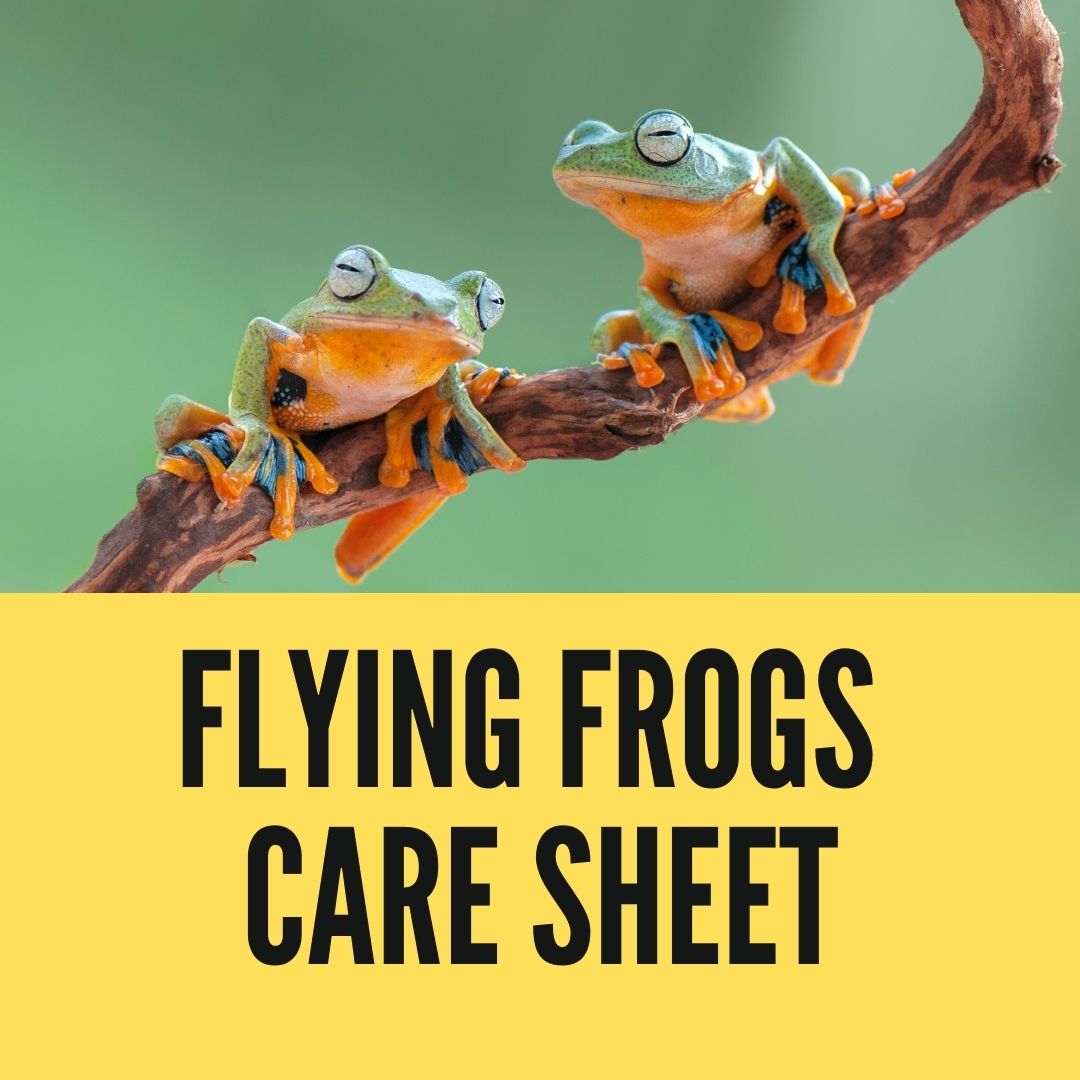
Flying frogs are intriguing amphibians known for their ability to glide using webbing between their fingers and toes, making them fascinating pets for both beginners and experienced keepers. This comprehensive care sheet guide covers everything from natural history, enclosure setup, temperature, humidity, diet, handling, health, and breeding advice, aiding both newbies and pros in maintaining healthy flying frogs.
Overview and Natural History
Flying frogs belong primarily to the genus Rhacophorus, part of the Rhacophoridae family, native to Southeast Asia. Species like the Malayan flying frog (Rhacophorus nigropalmatus) and Wallace’s flying frog (Rhacophorus nigropalmatus) are well-known for their gliding abilities, facilitated by extensive webbing and expanded skin flaps that slow their descent from trees.
These arboreal frogs inhabit tropical rainforests abundant in trees and water bodies. They are nocturnal, spending the day resting on leaves or branches, and become active at night to hunt small insects. Their coloration is typically vibrant green with patterns providing camouflage among foliage.
Enclosure Setup
Size and Type
Flying frogs need tall, spacious, and well-ventilated terrariums to mimic their natural arboreal habitat. A minimum size of 20 x 20 x 30 inches for a single frog is recommended, with larger enclosures preferred for multiple frogs.
Screen cages or glass tanks with mesh lids provide good airflow. Include a secure top as these frogs are agile and can escape.
Furnishing and Substrate
Provide abundant vertical climbing structures such as branches, bamboo poles, vines, and broad leaves for resting and jumping.
Use a moisture-retaining substrate like coconut fiber, sphagnum moss, or a blend of organic soil and leaf litter to maintain humidity without oversaturation.
Live plants including bromeliads, ferns, and pothos help retain humidity, provide climbing surfaces, and replicate the rainforest floor and canopy.
Create water features or shallow pools with clean, fresh water to facilitate hydration and enable breeding behaviors.
Temperature and Humidity
- Temperature: Maintain daytime temperatures between 72–80°F (22–27°C), with a slight nighttime drop to 65–70°F (18–21°C).
- Humidity: Keep relative humidity high at 70–90%, achieved by misting the enclosure 1–3 times daily or installing an automated fogger.
- Good ventilation is critical to prevent mold and bacterial growth despite high humidity.
Lighting
Lighting should simulate natural daylight cycles with 10–12 hours of indirect light daily. UVB lighting is not absolutely necessary but can benefit plant health and frog activity. Use low output UVB bulbs if supplemented.
Diet and Feeding
Flying frogs are insectivorous and require a varied live diet:
- Provide small crickets, fruit flies, springtails, pinhead crickets, small roaches, and occasionally waxworms or silkworms.
- Feed juveniles daily, adults every 2–3 days depending on appetite and body condition.
- Gut-load all feeder insects with nutritious vegetables and commercial gut-load products.
- Dust feeders lightly with calcium powder twice weekly and with multivitamin supplements once weekly.
Handling and Temperament
Flying frogs are delicate amphibians with sensitive skin; handling should be minimized to reduce stress and prevent toxin transfer to humans. Always wash hands before and after handling and use gloves if necessary.
They are active and curious but often shy, preferring dense foliage for cover.
Breeding
Breeding flying frogs requires replicating seasonal environmental cues, such as increased humidity and slight cooling simulating rain seasons.
Males produce calls to attract females. Foam nests are created on vegetation or water surface where eggs hatch, and tadpoles develop in water.
Tadpoles need clean, aerated water with algae or powdered foods suitable for larvae. Metamorphosis takes several weeks.
Health and Common Concerns
- Skin infections can result from poor hygiene or low humidity.
- Respiratory infections may arise in poorly ventilated or overheated enclosures.
- Nutritional deficiencies lead to lethargy and deformities; monitor diet closely.
- Stress-related diseases may occur with overcrowding or excessive handling.
Summary Checklist for Flying Frog Care
| Aspect | Recommendation |
|---|---|
| Enclosure size | ≥20″x20″x30″ screen cage |
| Temperature | Day: 72–80°F, Night: 65–70°F |
| Humidity | 70–90%, frequent misting/fogging |
| Lighting | Indirect light, optional low-level UVB |
| Diet | Variety of live insects, proper supplementation |
| Handling | Minimal, gloves recommended |
| Breeding | High humidity, water pools, foam nest support |
| Health | Monitor skin, ventilation, diet, and stress |
Flying frogs provide a unique combination of beauty and fascinating arboreal behavior but require precise environmental conditions and attentive care. This guide should equip both newbies and pros with detailed instructions to successfully keep and breed these remarkable amphibians in captivity, promoting their wellbeing and longevity.
- https://www.smallworldreptiles.com/japanese-flying-frogs
- https://nationalzoo.si.edu/animals/news/how-care-frogs
- https://www.littlecrittersvet.com/frogs.pml
- https://www.dartden.com/Thread-A-Care-sheet-for-Young-Froggers?pid=18972
- https://petadvocacy.org/wp-content/uploads/2022/01/Frog-Care-Sheet.pdf
- https://www.reptilecymru.co.uk/golden-tree-frog/
- https://exoticskeeper.com/blog/its-a-foam-party-breeding-japanese-flying-frogs/
- https://www.kellyvillepets.com.au/pages/green-tree-frogs
- https://www.petassure.com/maxscorner/basic-guide-to-caring-for-your-pet-frog/