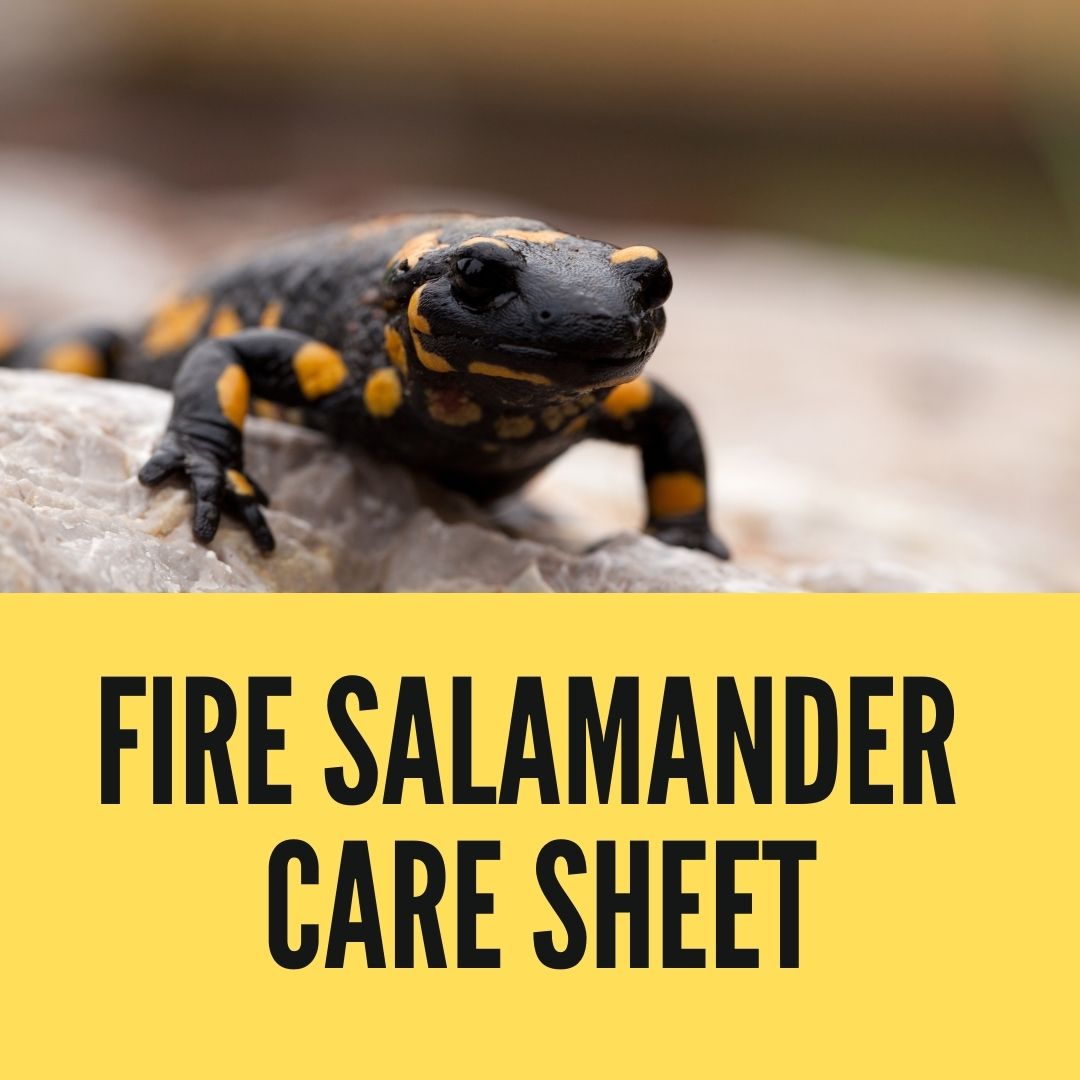
Fire Salamanders (Salamandra salamandra) are striking amphibians known for their bold black and yellow coloration and fascinating nocturnal behavior. Popular among exotic pet enthusiasts, they require specific care to thrive in captivity. This comprehensive 1500+ word care sheet covers everything from natural history to housing, diet, temperature, humidity, handling, health, and breeding, providing detailed guidance for successful fire salamander husbandry.
Natural History and Overview
Fire salamanders are native to central and southern Europe, commonly found in deciduous forests near freshwater sources like streams and ponds. They are terrestrial but require moist environments to prevent dehydration due to their permeable skin. The bright coloration acts as an aposematic warning for their toxic skin secretions, which protect against predators.
They are primarily nocturnal, emerging at night to hunt insects, worms, and other small invertebrates. Fire salamanders can live over 20 years in captivity with proper care, making them a long-term commitment.
Enclosure Setup
Size and Type
A spacious terrarium is essential. A minimum of 15–20 gallons (about 60–75 liters) suits a single adult. For more salamanders, add 20 to 30 liters per additional individual to prevent stress and territorial disputes.
Glass or plastic vivariums with secure lids prevent escapes, as fire salamanders are adept climbers. Proper ventilation is crucial to avoid stagnant air and fungal problems.
Substrate and Furnishing
The substrate should be deep (3–4 inches) and moisture-retentive to support burrowing behavior. Suitable options include organic topsoil, coconut fiber, leaf litter, and sphagnum moss. Avoid substrates that retain excess moisture causing mold or bacterial growth.
Include multiple hiding spots such as cork bark, hollow logs, rocks, leaf litter piles, and dense foliage to provide security. Hiding places also help create microhabitats maintaining humidity gradients.
Temperature and Humidity
Maintaining appropriate temperature and humidity is vital:
- Temperature: Keep the enclosure between 59°F and 68°F (15–20°C). Temperatures consistently above 72°F (22°C) can be harmful. Use a low-wattage heat mat regulated by a thermostat to create a temperature gradient allowing the salamander to thermoregulate.
- Humidity: Maintain 60–80% humidity through daily misting. A shallow water dish is essential for hydration and should have gentle slopes for easy access. Avoid strong overhead heating or bright lights as fire salamanders prefer dim, humid conditions reminiscent of their forest floor habitat.
Feeding and Diet
Fire salamanders are carnivorous and need a varied live diet rich in protein. Common food items include:
- Earthworms (nightcrawlers and red wigglers)
- Crickets (brown and black)
- Waxworms (as treats due to high fat content)
- Mealworms (offer sparingly)
- Woodlice
- Small slugs and snails
- Aquatic foods like bloodworms and tubifex worms (ensure separation from water before feeding)
Juveniles require feeding every 1–2 days, while adults thrive on 2–3 feedings per week. Overfeeding can lead to obesity; feed only what they consume within 15-20 minutes. Dust prey occasionally with a calcium supplement, especially for growing juveniles.
Hydration and Water
Fire salamanders absorb moisture through their skin and drink from shallow water sources. Change water daily to prevent contamination. Misting the enclosure supports skin hydration and promotes normal shedding.
Water bowls must be shallow and stable to prevent drowning and tipping. Maintain a balance between wet and dry areas within the enclosure, allowing the salamander to seek its preferred moisture level.
Behavior and Handling
Fire salamanders are nocturnal and generally gentle but secretive pets. They spend most daytime hours hiding and are more active at night.
Minimize handling to avoid stress and skin damage. Their skin secretes mild toxins as defense, which can irritate human skin and mucous membranes. Always wash hands thoroughly after any contact, and wear gloves if handling is necessary.
Observe rather than handle to appreciate their natural behaviors.
Health and Common Issues
- Fungal and Bacterial Infections: Result from poor hygiene, excessive dampness, or stagnant air. Symptoms include white patches, sores, lethargy, and abnormal shedding. Maintain clean, well-ventilated enclosures and spot clean daily.
- Respiratory Infections: Occur from cold or overly humid stagnant environments. Symptoms include wheezing, open-mouth breathing, and lethargy. Correct environmental parameters and seek veterinary care promptly.
- Impaction: Caused by ingesting harmful substrate or oversized prey. Use safe substrate and appropriately sized food.
- Dehydration: Watch for sunken eyes and dry skin; increase misting and water availability as needed.
Veterinary care from specialists in amphibians is recommended at first acquisition and whenever illness is suspected.
Breeding Fire Salamanders
Breeding fire salamanders in captivity involves simulating seasonal conditions:
- Provide cooler temperatures and reduced feeding in late autumn to prepare for brumation (hibernation).
- Mating typically occurs post-hibernation with males courting females through specific body movements.
- Fertilized females give birth to live larvae in water or deposit larvae in aquatic environments.
- Larvae require separate aquatic tanks with clean, aerated water and appropriate aquatic foods.
- Metamorphosis occurs over several weeks, after which juveniles transition to terrestrial life with moist, secure enclosures.
Cleaning and Maintenance
- Remove feces and uneaten food daily.
- Completely change substrate and disinfect the enclosure every 2–3 months.
- Use amphibian-safe cleaning agents, avoiding harsh chemicals or bleach.
- Regularly clean water dishes and misting equipment.
Summary of Care Requirements
| Care Aspect | Recommendation |
|---|---|
| Enclosure size | Minimum 15–20 gallons for one adult |
| Temperature | 59–68°F (15–20°C), avoid temps above 72°F (22°C) |
| Humidity | 60–80% maintained via daily misting |
| Substrate | Moist, deep substrate such as coconut fiber, soil |
| Diet | Live insects and worms, fed 2–3 times weekly (adults) |
| Hydration | Stable shallow water dish, daily water changes |
| Handling | Minimal, gloves recommended, wash hands after handling |
| Health | Monitor for infections, provide good hygiene and vet care |
| Breeding | Simulate seasonal cues, prepare aquatic larval habitat |
Fire salamanders are fascinating, visually striking amphibians that make rewarding pets for keepers willing to meet their specialized care needs. Their nocturnal activity, longevity, and interactive behaviors offer hours of observation enjoyment with a commitment to regular enclosure maintenance and careful feeding.
This guide equips you with essential knowledge to establish and maintain a healthy, comfortable environment for your fire salamander, enhancing its wellbeing and longevity in captivity.
- https://www.reptilecentre.com/pages/info-fire-salamander-care-sheet
- https://vetverified.com/articles/the-complete-guide-to-caring-for-a-fire-salamander
- https://reptilesmagazine.com/fire-salamander-care-sheet/
- https://citizen-conservation.org/wp-content/uploads/2024/04/CC-Breeding-Guidelines_Salamandra-salamandra-Central-Europe_02-2023.pdf
- https://www.caudata.org/threads/fire-salamander-care-sheet-review.7823/
- https://animals.howstuffworks.com/pets/how-to-care-for-salamander.htm
- https://strapi.eaza.net/uploads/2021_Fire_Salamander_EAZA_Best_Practice_Guidelines_Approved_cbc35d4f52.pdf
- https://www.scribd.com/document/493874264/fire-salamander-care-sheet
- https://www.aquariumsystems.fr/Files/132025/21118085040434.pdf