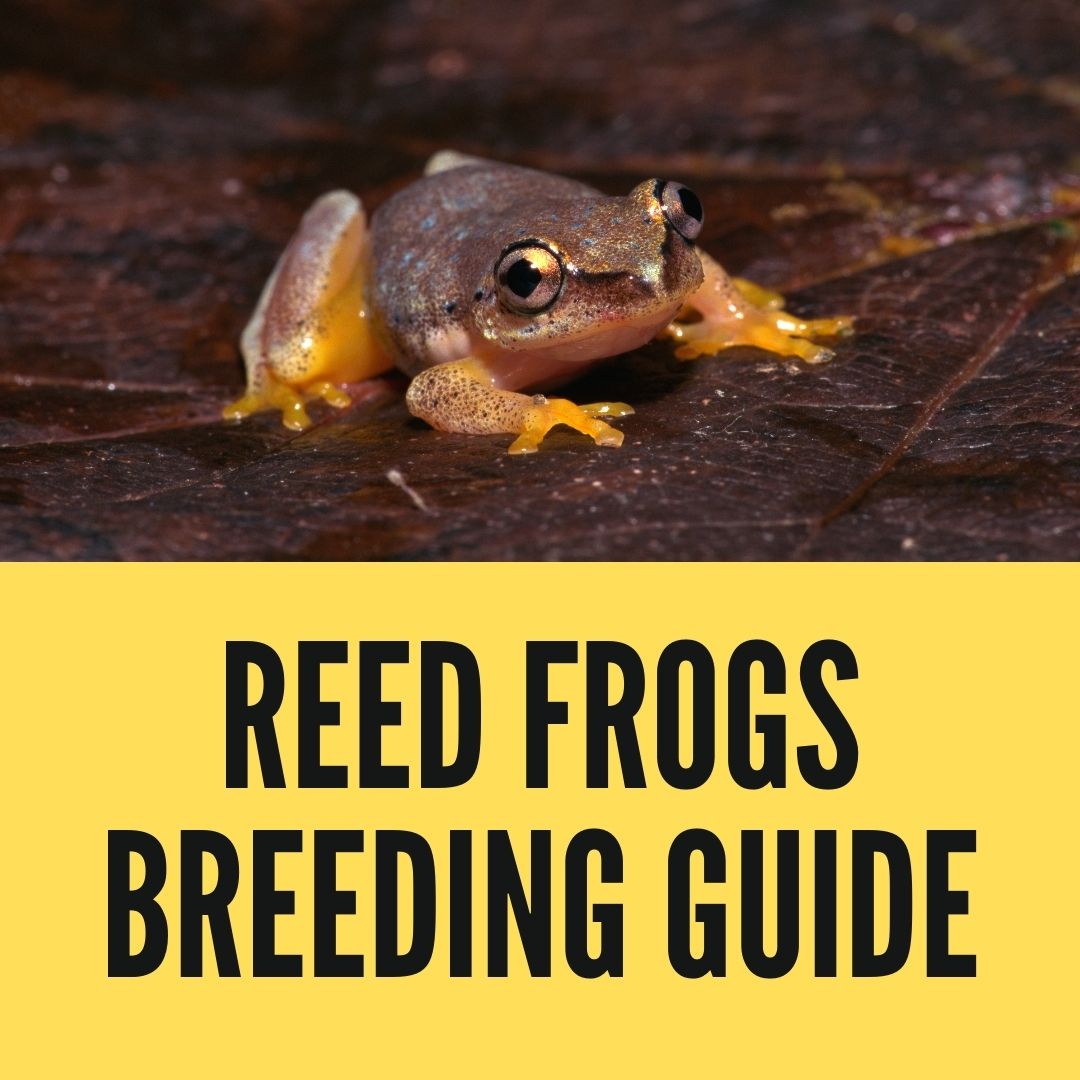
Reed frogs, belonging primarily to the genus Hyperolius, are colorful, arboreal amphibians popular in the exotic pet hobby. Their captivating colors and distinct calls make breeding these frogs an attractive project for both beginners and seasoned keepers. This detailed, 2000+ words guide explains breeding reed frogs, covering housing, feeding, environmental cues, breeding pond setup, egg and tadpole care, and more to ensure successful reproduction and healthy offspring.
Understanding Reed Frogs
Reed frogs are native mainly to sub-Saharan Africa. They live in and around reed beds, swamps, and forest edges, spending much of their time in vegetation above or near water. Most species are small (1.5 to 3 inches), vibrant, and nocturnal, calling to attract mates during the rainy season. Males produce distinctive calls unique to each species to advertise and defend territory.
Knowing your specific species is important for care and breeding because environmental requirements, size, and breeding behavior vary. However, many breeders share similar core protocols adaptable across species.
Setting Up for Breeding
Housing a Breeding Group
Begin with a well-established group containing at least 3-4 females and an equal or higher number of males. Larger groups increase breeding likelihood through natural competition and mate selection.
Use a vertical terrarium suitable for multiple frogs—minimum 18x18x24 inches or larger for ample climbing space. Provide dense vegetation, both live or artificial, including reeds, vines, and bromeliads to simulate natural habitat and reduce stress. Include multiple hiding spots.
Environmental Conditions
- Temperature: Maintain daytime temps between 72–85°F. Nighttime temps can cool slightly to 65–70°F.
- Humidity: Keep relative humidity high (75–90%) by misting 1-3 times daily or using automated foggers.
- Lighting: Simulate natural 12-hour day/night cycles with indirect light. UVB lighting is typically unnecessary for reed frogs.
- Seasonal cues: To stimulate breeding, mimic the rainy season by increasing humidity and slightly lowering temps for a few weeks, then gradually increasing warmth and moisture to trigger reproductive behaviors.
The Breeding Pond Setup
Reed frogs breed near or on water. Set up an aquatic breeding pond within or attached to the terrarium:
- Use a shallow water area 2–5 inches deep, either as a large water dish or section of the enclosure with gradual slopes.
- Add aquatic or semi-aquatic plants like hornwort, parrot feather, Java moss, or Amazon frogbit to provide cover and egg-laying substrates.
- Incorporate stable floating or protruding perches such as cork bark, rocks, or driftwood where frogs can perch; these encourage natural behavior.
Recognizing Breeding Readiness
- Males call frequently at night and sometimes after misting during the day.
- Females become visibly gravid (swollen with eggs).
- Frogs become more active and show increased pairing behavior.
Increasing misting frequency and maintaining peak humidity help sustain breeding calls and courtship.
Egg Laying and Tadpole Care
- Eggs are laid on aquatic plants or sometimes on the sides of the terrarium near water.
- Depending on species, they range from a few dozen to several hundred.
- Eggs hatch in about a week into tadpoles that fall or wriggle into the water below.
Tadpole Rearing
- Maintain clean, aerated water, changing 25–50% regularly to avoid buildup of waste.
- Feed tadpoles with boiled leafy greens, commercial tadpole diets, or algae wafers.
- Be mindful of water temperature: keep around the mid-70s°F, adjusting based on species-specific requirements.
Tadpoles experience metamorphosis over 6–12 weeks, developing limbs before absorbing tails and becoming juvenile frogs.
Juvenile Frog Care
- Juveniles require smaller enclosures with more frequent misting and adequate hiding spaces.
- Feed small, live prey such as fruit flies or pinhead crickets dusted regularly with calcium and vitamins.
- Monitor for bullying or hunger in group housing; separate smaller frogs if necessary.
Feeding Adult Breeding Frogs
- Provide a variety of feeder insects such as crickets, fruit flies, roaches, and moths.
- Regular gut-loading and calcium/vitamin dusting is vital for reproductive health.
- Feed juveniles daily; adults 3–5 times weekly depending on appetite.
Common Breeding Challenges
- Stress: Can inhibit breeding; ensure ample space, vegetation, and minimal disturbances.
- Water quality: Poor water leads to fungal infections and failed tadpole development.
- Overcrowding: Causes competition and aggression, especially during breeding.
Regular monitoring, water changes, and maintenance of environmental conditions greatly improve breeding success.
Summary Checklist for Reed Frog Breeding
| Aspect | Details |
|---|---|
| Group Size | Minimum 3-4 females and equivalent males |
| Enclosure | Tall, ≥18x18x24″, dense vegetation |
| Temperature | Day: 72–85°F, Night: 65–70°F |
| Humidity | 75–90%, mist 1–3 times daily |
| Breeding Pond | Shallow water 2–5″, aquatic plants, perches |
| Tadpole Care | Clean, aerated water; tadpole diet; 6-12 week metamorphosis |
| Feeding | Variety of gut-loaded insects; calcium/vitamin dusting |
| Juvenile Care | Separate smaller frogs if necessary; frequent feeding |
| Health | Maintain water and enclosure hygiene; reduce stress |
Breeding reed frogs is a rewarding yet intricate process that benefits greatly from a deep understanding of their natural behaviors and environmental needs. Creating conditions that mimic their wild habitats—especially seasonal changes in humidity and temperature—is essential to inducing natural mating and successful rearing of eggs and tadpoles. This comprehensive guide aims to empower both newcomers and experienced keepers with clear, actionable advice and insights into reed frog breeding for sustainable captive populations.
By investing in appropriate housing setups, environmental monitoring, careful feeding, and attentive water quality management, breeders can enjoy observing fascinating courtship behaviors and the full growth cycle from egg to mature reed frog.
- https://reptilesmagazine.com/care-and-breeding-africas-colorful-reed-frogs/
- https://www.reptilesncritters.com/care-guide-reed-frog.php
- https://reptilesmagazine.com/breeding-blue-back-reed-frogs/
- https://www.youtube.com/watch?v=Gq0uUysz3ds
- https://www.caudata.org/threads/reed-frogs-breeding-information.35332/
- https://www.facebook.com/groups/146582062841221/posts/1592452674920812/
- https://www.youtube.com/watch?v=Bz4w7adh978
- https://amphibiancare.com/frogs/articles/published_articles/hyperolidae_reed_frog_captive_care_Edmonds2009.pdf