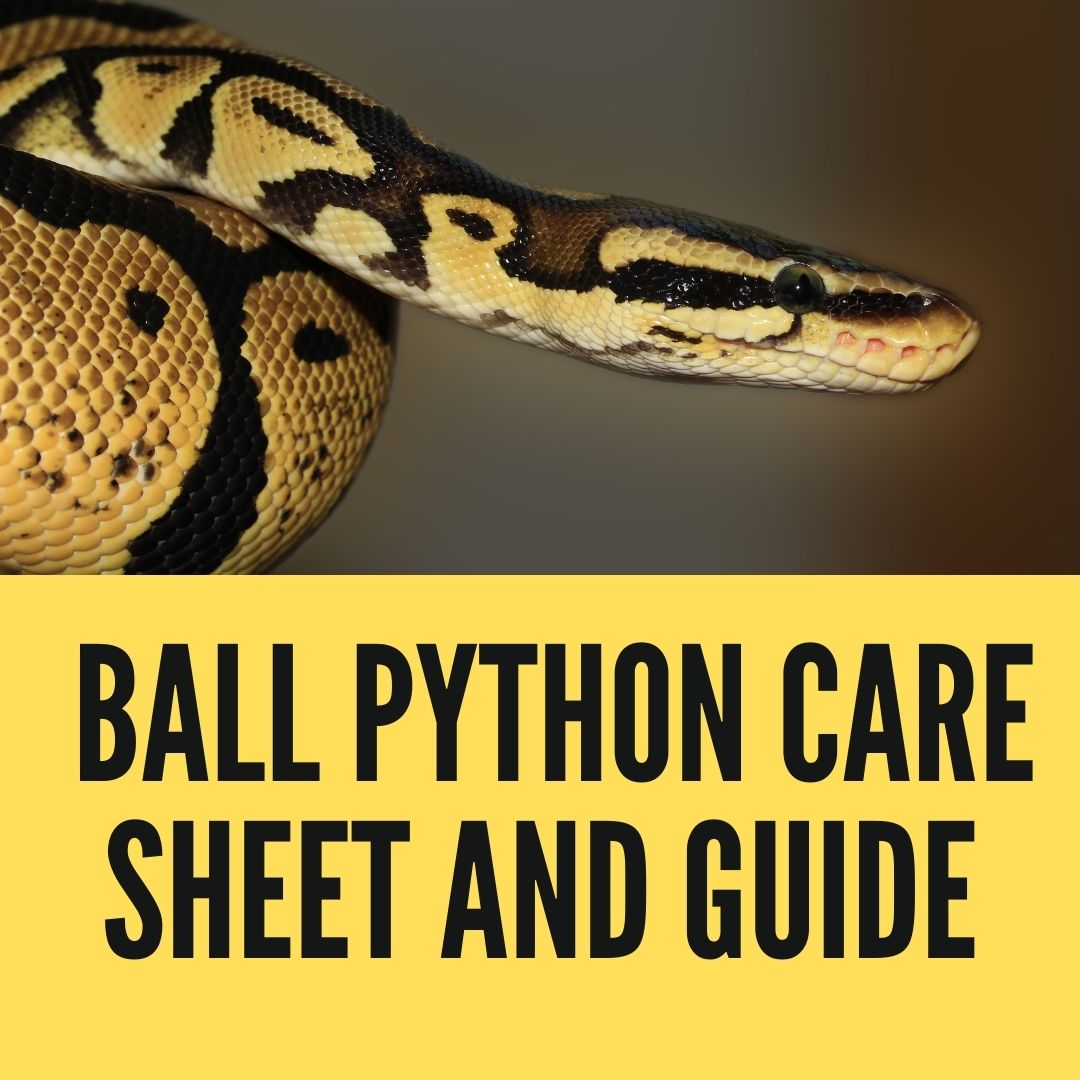
Ball Pythons (Python regius) are one of the most popular and widely kept pet snakes worldwide due to their manageable size, calm temperament, and relatively simple care requirements. They are native to West and Central Africa, where they inhabit grasslands, shrublands, and open forests. This comprehensive 1500+ word care sheet and guide offers detailed information essential for beginners and experienced keepers alike, covering housing, feeding, temperature, humidity, lighting, handling, health, and breeding.
Natural History and Behavior
Ball pythons are named for their defensive behavior of curling into a tight ball, hiding their head in the center when threatened. They are mostly nocturnal, spending daytime hiding in burrows or under vegetation and emerging at night to hunt small mammals and birds. Adults typically range from 3 to 5 feet in length.
Species: Python regius
Difficulty: Easy–Moderate
Lifespan: 20–30+ years
Adult Size: 3–5 feet
Temperament: Docile, calm, shy
Best For: Beginners and experienced keepers
Housing and Enclosure
Cage Size and Type
- Hatchlings and juveniles can be housed in 10-20 gallon enclosures.
- Adults require at least 30-40 gallons or larger.
- Glass terrariums, plastic tubs, or PVC enclosures with secure lids are suitable.
- Provide at least two hides (one on the cool side, one on the warm side) to reduce stress.
- Use secure lids to prevent escapes.
Substrate
- Use substrates that retain humidity without molding: cypress mulch, coconut husk (ReptiChip), orchid bark, or aspen shavings.
- Avoid substrates like pine or cedar which are toxic.
- Newspaper or paper towels are recommended for quarantine or sick animals.
Temperature and Lighting
- Create a temperature gradient: warm side at 88–93°F (31–34°C) and cool side at 72–80°F (22–27°C).
- Use ceramic heat emitters, heat mats, or basking bulbs controlled by thermostats.
- Maintain nighttime temps around 70–75°F (21–24°C).
- Provide a day/night light cycle (12 hours on/off), UVB lighting is optional but may be beneficial.
Humidity and Water
- Maintain humidity at 50-60%, increasing to 60-70% during shedding periods.
- Use a hygrometer for accurate measurement.
- Provide a clean water bowl large enough for soaking.
- Mist enclosure lightly daily or as needed to achieve proper humidity.
Feeding and Nutrition
- Feed appropriately sized rodents; pinkie mice for hatchlings, gradually progressing to adult mice or rats.
- Feed juvenile ball pythons weekly; adults every 1-2 weeks.
- Avoid feeding live prey to reduce injury risks.
- Thaw frozen prey adequately (warm water soak) before feeding.
- Observe feeding behavior, removing uneaten prey within 24 hours.
Handling and Temperament
- Ball pythons are generally docile and tolerate handling well once acclimated.
- Limit handling to avoid stress; 1-2 times per week is sufficient.
- Support the snake’s body fully during handling.
- Avoid handling during shedding or shortly after feeding.
Shedding and Health Monitoring
- Shedding generally occurs every 4-6 weeks.
- Provide consistent humidity and a moist hide to facilitate shedding.
- Monitor for retained eye caps or incomplete sheds, which indicate humidity issues.
- Routine health checks should include observing eating habits, weight, skin condition, and feces.
Common Health Issues
- Respiratory infections caused by poor ventilation and temperature imbalance.
- Mouth rot (infectious stomatitis) requiring antibiotics.
- Parasite infestations—internal (worms) and external (mites).
- Obesity and retained shed often result from improper diet or humidity.
Breeding
- Mature females weigh more than 1200 grams; breeding is possible typically after 2-3 years.
- Simulate seasonal temperature drops and increased humidity to induce breeding.
- Females lay 4–12 eggs which must be incubated at about 88–90°F in a vermiculite substrate at 70-80% humidity.
- Incubation lasts 55–60 days.
- Hatchlings should be housed separately and fed small prey such as pinky mice or fuzzy mice.
Shedding Cycle
Ball pythons shed every 4–6 weeks.
Signs of Upcoming Shed
- Dull skin
- Blue/cloudy eyes
- Reduced appetite
- Hiding more
Improve Shed Quality:
- Increase humidity
- Provide a humidity hide
- Make sure skin comes off in one piece
Lifespan & Growth
Average Lifespan
20–30 years in captivity
(Some recorded over 40 years)
Growth Stages
- Hatchling: 10–17 inches
- Juvenile: Up to 3 feet
- Adult: 3–5 feet (females larger)
Ball Python Morphs
There are 3,000+ morphs, including:
- Albino
- Pied
- Banana
- Pastel
- Mojave
- Clown
- Blue-eyed leucistic
Morph does not affect general care, but some morphs (like spider) have neurological issues.
Cost of Ownership
Initial Setup
- Enclosure + Gear: $200–$400
- Snake Price: $60–$400+ (morph dependent)
- Yearly Costs: $150–$300
Summary Table
| Aspect | Recommendation |
|---|---|
| Enclosure size | Juvenile: 10-20 gal; Adult: 30-40+ gal |
| Temperature | Warm side: 88–93°F; Cool side: 72–80°F |
| Humidity | 50-60%; 60-70% during shed |
| Lighting | 12hr day/night cycle; optional UVB |
| Substrate | Cypress mulch, coconut husk, orchid bark |
| Feeding | Weekly juvenile; biweekly adult prey rodents (pre-killed) |
| Handles | Gentle, 1-2x weekly; support full body |
| Breeding | Seasonal cues; eggs incubated 55-60 days at 88–90°F |
| Health | Prevent respiratory infections & mites, monitor sheds |
Ball pythons are an excellent choice for reptile enthusiasts due to their manageable size, temperament, and longevity. By providing a carefully controlled environment replicating their natural conditions, feeding a nutritious diet, and monitoring their health closely, keepers can enjoy these charismatic snakes for decades.
This guide distills expert care standards and experienced keeper insights to support both new and veteran ball python owners in successful and rewarding husbandry. Regularly updating knowledge from resources and veterinarians ensures the best outcome for your pet ball python.
- https://reptifiles.com/ball-python-care-guide/
- https://community.morphmarket.com/t/ball-python-care-guide/39828
- https://www.petmd.com/reptile/ball-python-care-sheet
- https://amccorona.com/wp-content/uploads/2020/05/ARAV_trifold_ball_pythonv2_2.pdf
- https://www.youtube.com/playlist?list=PL6WNJO0jWkuIq4V2Y4aOv7FN-HaTTZl3J
- https://reptilesmagazine.com/ball-python-care-sheet/